What documentary photography really means for couples
What does ‘documentary’ mean?
When couples start looking for a wedding photographer, the word documentary tends to come up quite quickly. It’s one of those terms that sounds immediately right. Natural, relaxed, nothing forced. Most people are drawn to it before they’ve really had a chance to think about what it actually means.
The problem is, it gets used quite loosely. It can describe anything from a genuinely hands-off approach to something that’s still fairly guided, just delivered in a softer way. That’s where the confusion creeps in. Two photographers can use the same word and be working in completely different ways.
So it’s probably more useful to move away from the label for a second and think about what it actually does to your day. Because when it’s done properly, documentary isn’t just about how the photos look. It has a quiet impact on how the whole day feels while you’re in it.
It’s less about posing and more about interruption
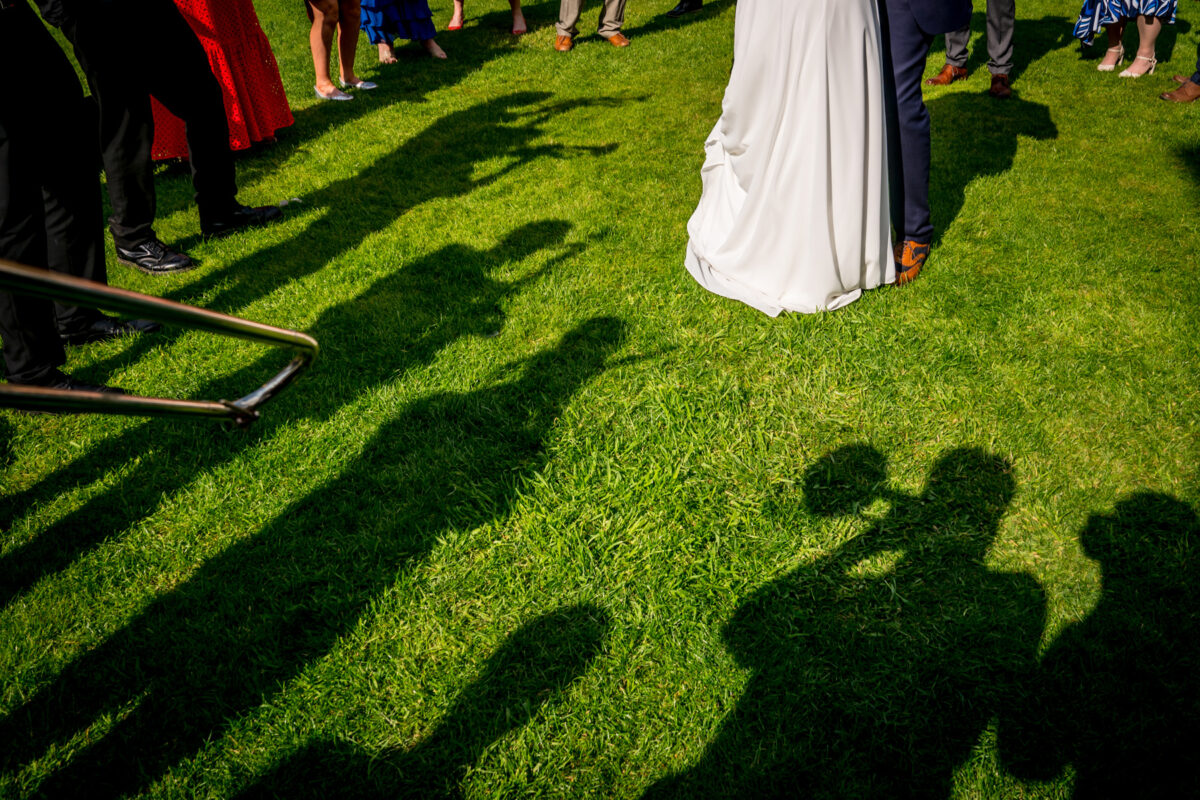
A lot of people assume documentary just means no posing. That’s partly true, but it doesn’t quite get to the heart of it. You can remove posing and still end up with something that feels slightly managed.
What tends to matter more is whether moments are allowed to happen without being stepped into. Weddings have a natural rhythm. People drift between conversations, reactions build in their own time, and things don’t always happen in neat, predictable ways. When that flow gets interrupted, even lightly, it changes the feel of everything.
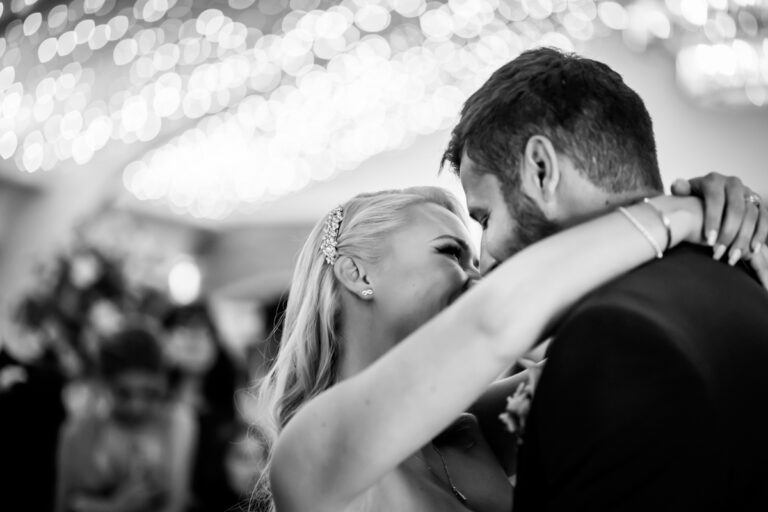
A documentary approach leaves that rhythm alone. When something starts to happen, it’s allowed to carry on. A laugh isn’t recreated. A reaction isn’t repeated. Nothing is adjusted to make it look better the second time around. It’s simply noticed and captured as it happens, which is usually where the honesty comes from.
The experience feels different, even if you can’t quite place why
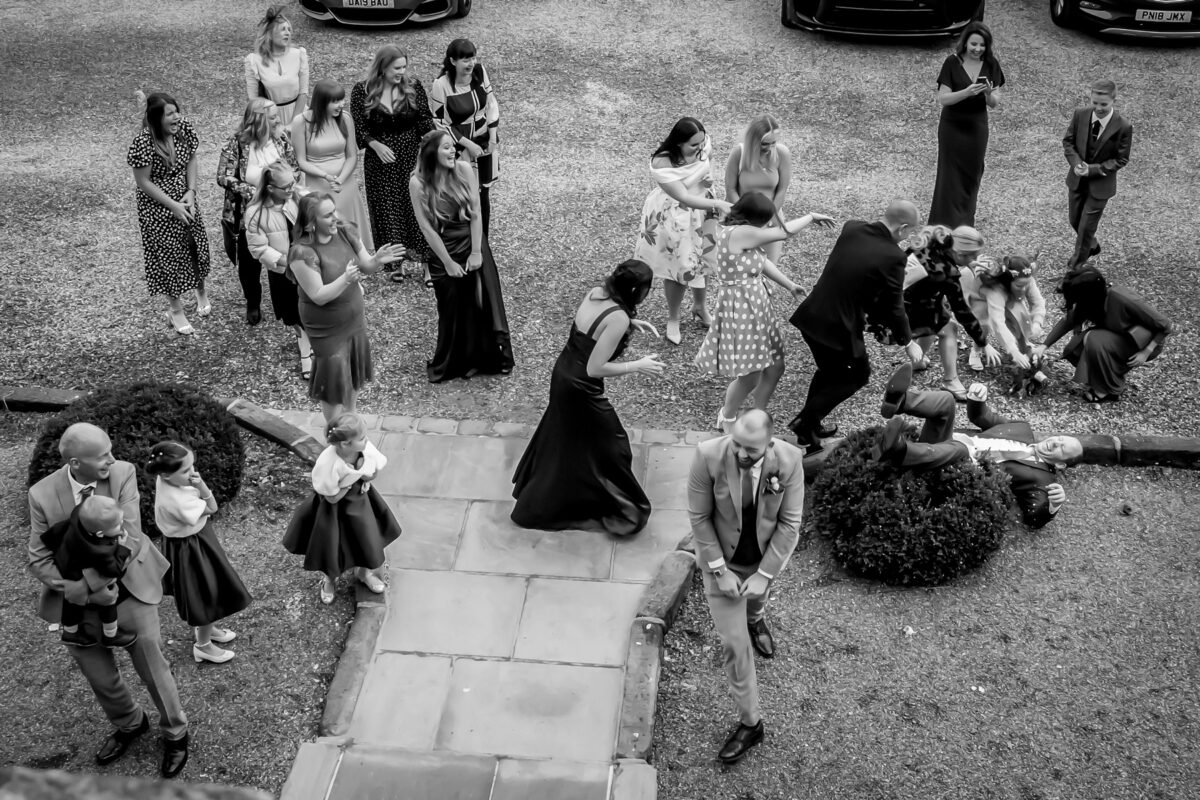
One of the more interesting things about documentary photography is that the difference often shows up before you consciously recognise it. You’re not being moved around or prompted in the same way, so there’s less awareness of the camera throughout the day.
That has a knock-on effect. People settle into themselves more quickly because they’re not being interrupted. Conversations carry on properly instead of being paused and restarted. Guests stop clocking where the photographer is and just get on with enjoying themselves.
Over the course of the day, that builds into something that feels more relaxed without anyone having to try too hard to create it. It’s not something you’d necessarily point to in the moment, but it does shape how comfortable everything feels, and that tends to come through in the photos.

The moments that matter aren’t usually planned
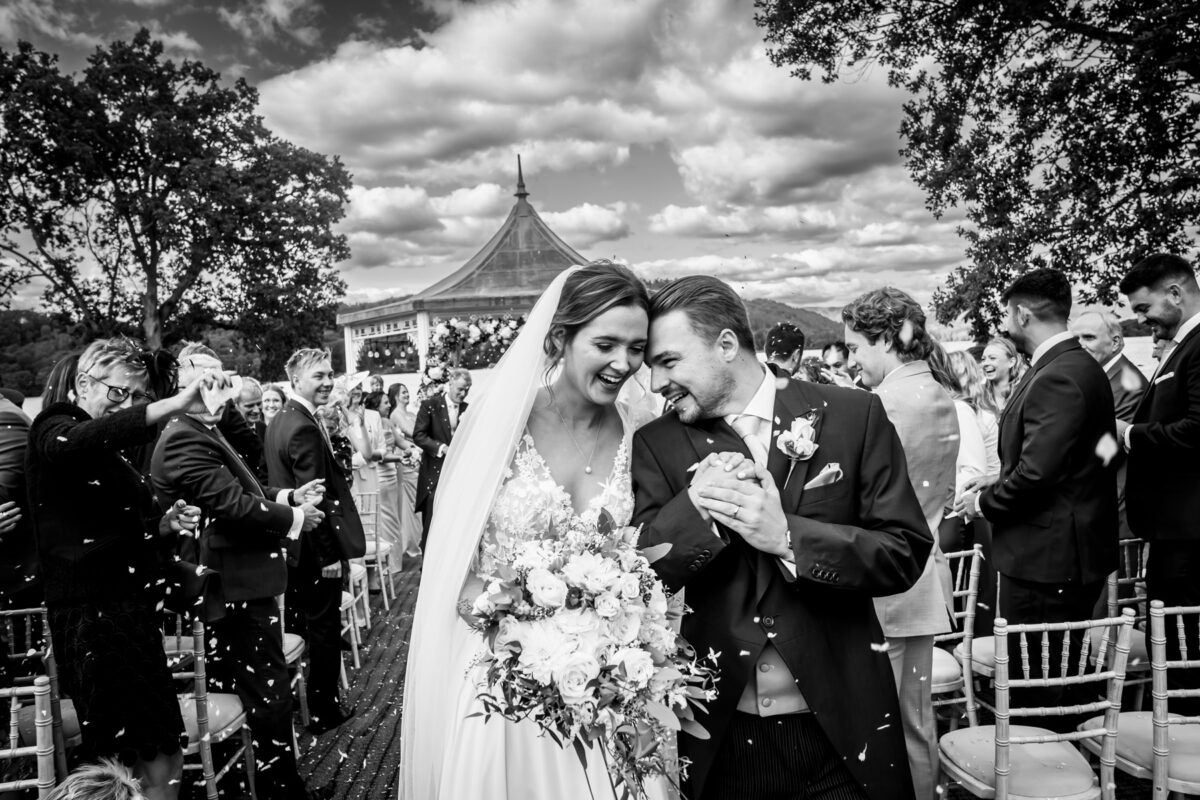
If you think back to weddings you’ve been to, it’s rarely the perfectly arranged parts that stick. It’s the reactions, the small exchanges, the bits that weren’t expected.
A look across a room. Someone trying to hold it together and not quite managing it. A sudden laugh that catches on and spreads through a group. Those moments don’t follow a schedule, and once they’ve passed, they’re gone.
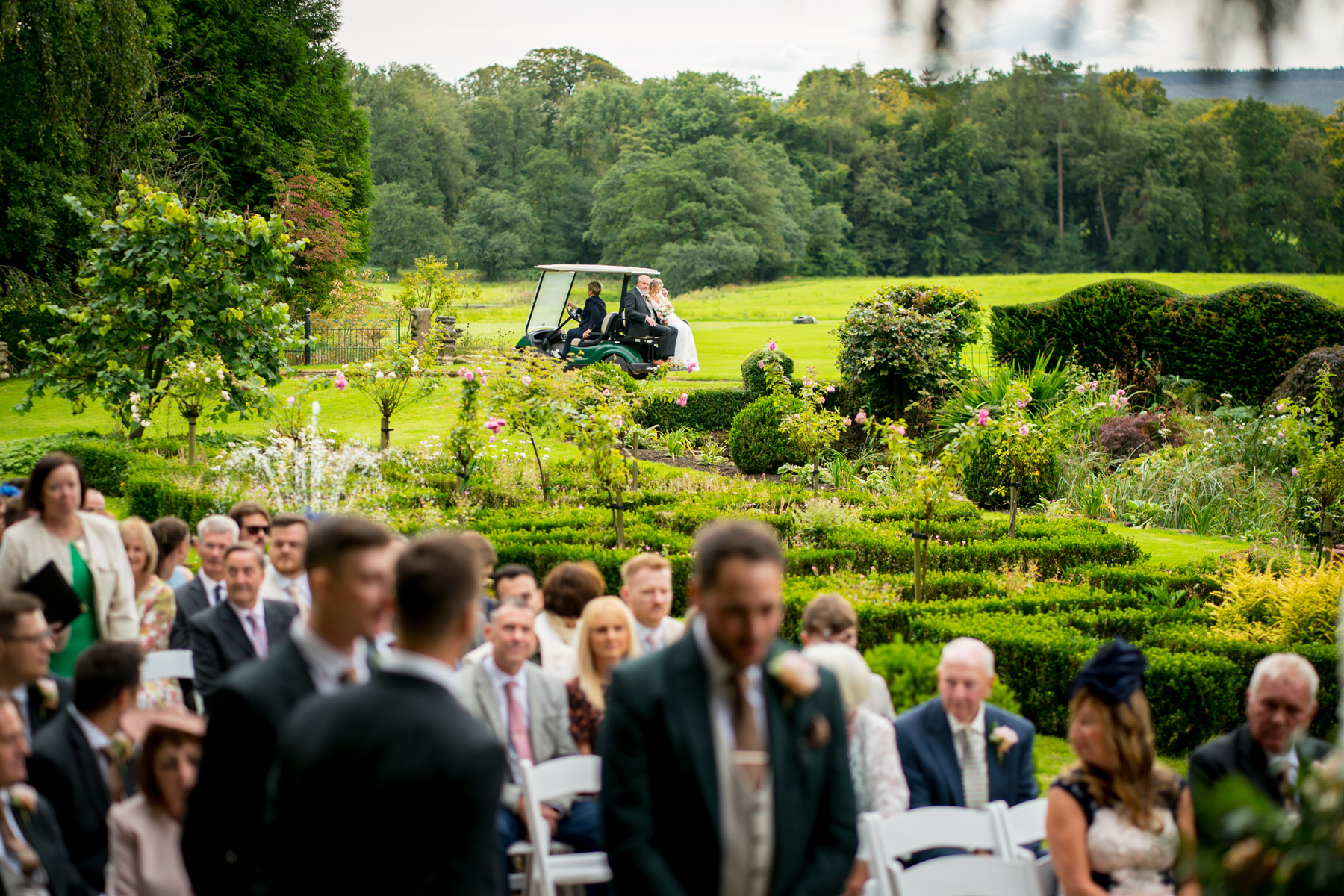
That’s really what documentary photography is built around. It’s less about creating something visually perfect and more about recognising when something meaningful is about to happen. That comes down to awareness and timing rather than direction. Knowing when to step closer, when to hang back, and when to leave something completely alone makes all the difference.
When those moments are captured as they actually happened, they tend to carry more weight later on. You’re not just seeing what it looked like, you’re remembering how it felt.
Why it tends to hold up over time
A lot of wedding photography looks great at first glance. It’s polished, well put together, and fits with what you expect to see. The difference with documentary work tends to show itself later.
Because it’s not built around recreating ideas or following a particular look, it ages more quietly. Nothing feels overly styled or tied to a moment in time. The focus stays on people and interactions, which don’t date in the same way.
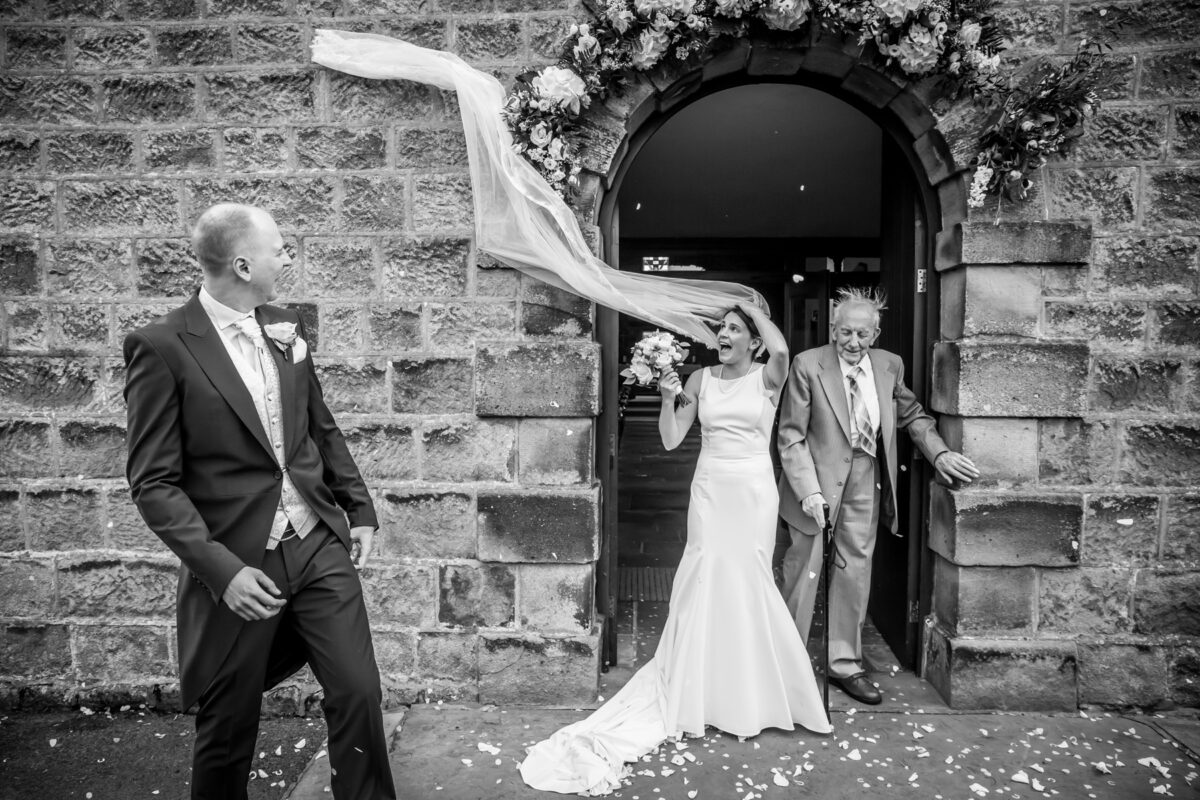
When you come back to your photos a few years down the line, you’re not looking at something that’s been shaped for the camera. You’re seeing the day as it actually unfolded, with all the small details and imperfections that made it yours. That tends to feel more familiar, and often more meaningful because of it.
It doesn’t mean you’re left on your own
There’s sometimes a worry that documentary photography means no guidance at all, which isn’t really the case. It’s more about choosing when guidance is actually helpful rather than applying it constantly.
Group photos still need organising. Portraits benefit from a light touch to keep things relaxed rather than awkward. If something is going to make the experience smoother, it makes sense to step in.
The difference is that it’s done with intention. Most of the time, the goal is simply to avoid unnecessary interruption, to support the day where it helps and step back where it doesn’t.

It works with the day rather than trying to control it
No wedding goes exactly to plan, and that’s usually part of what makes it memorable. Timings shift, the weather changes, and people react in ways you wouldn’t necessarily expect.
A more structured approach can struggle with that because it relies on holding things in place. Documentary photography is more comfortable with movement. Because it’s not tied to recreating anything, it can adapt as things change.
There’s less pressure to bring everything back into line and more space to work with what’s actually happening. That tends to take the edge off things, even if it’s not something you’re actively thinking about at the time.
My approach
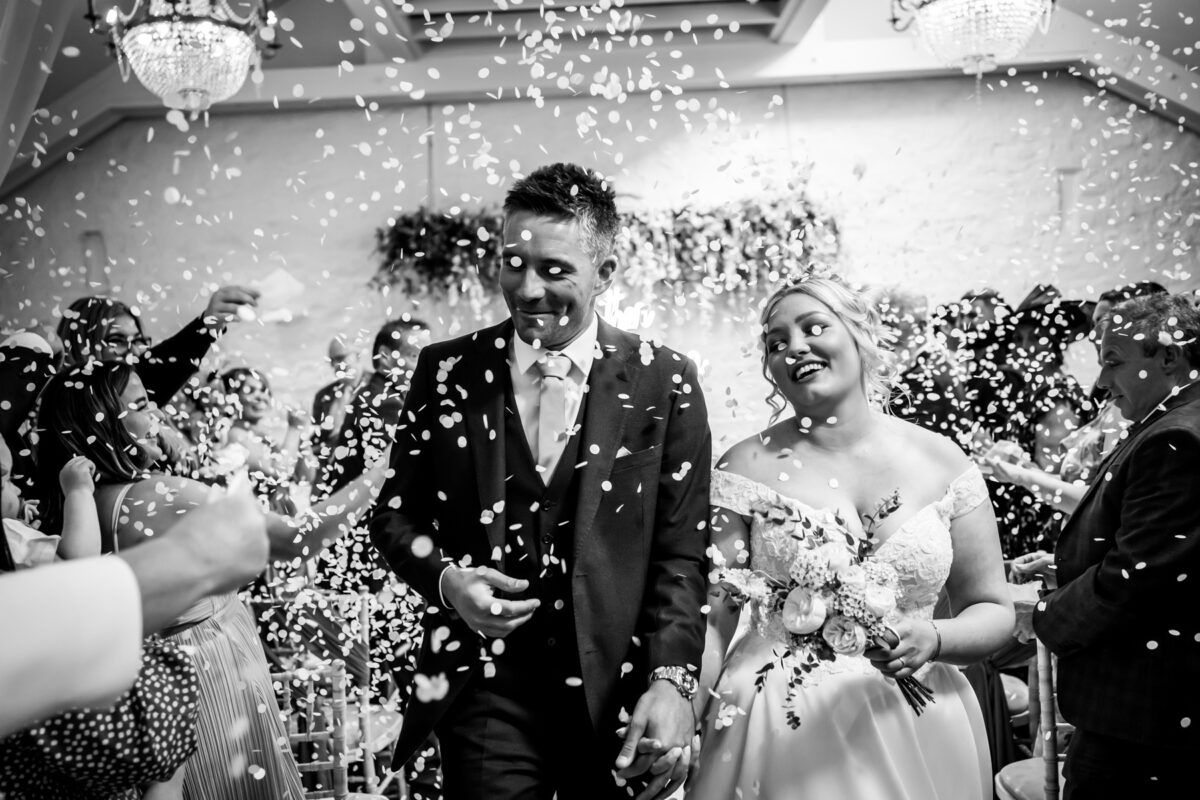
Documentary sits at the centre of how I work, but not in a rigid way. The aim is always to keep things feeling easy so you can focus on the day rather than the fact you’re being photographed.
Most of the time, that means observing, anticipating, and letting things happen without stepping in. If something needs a bit of guidance, I’ll step in, keep it simple, then move back out again. It’s less about following a set method and more about reading what’s needed in the moment.
That balance is what allows the day to feel like your own, rather than something being shaped around the photography.
Final thoughts
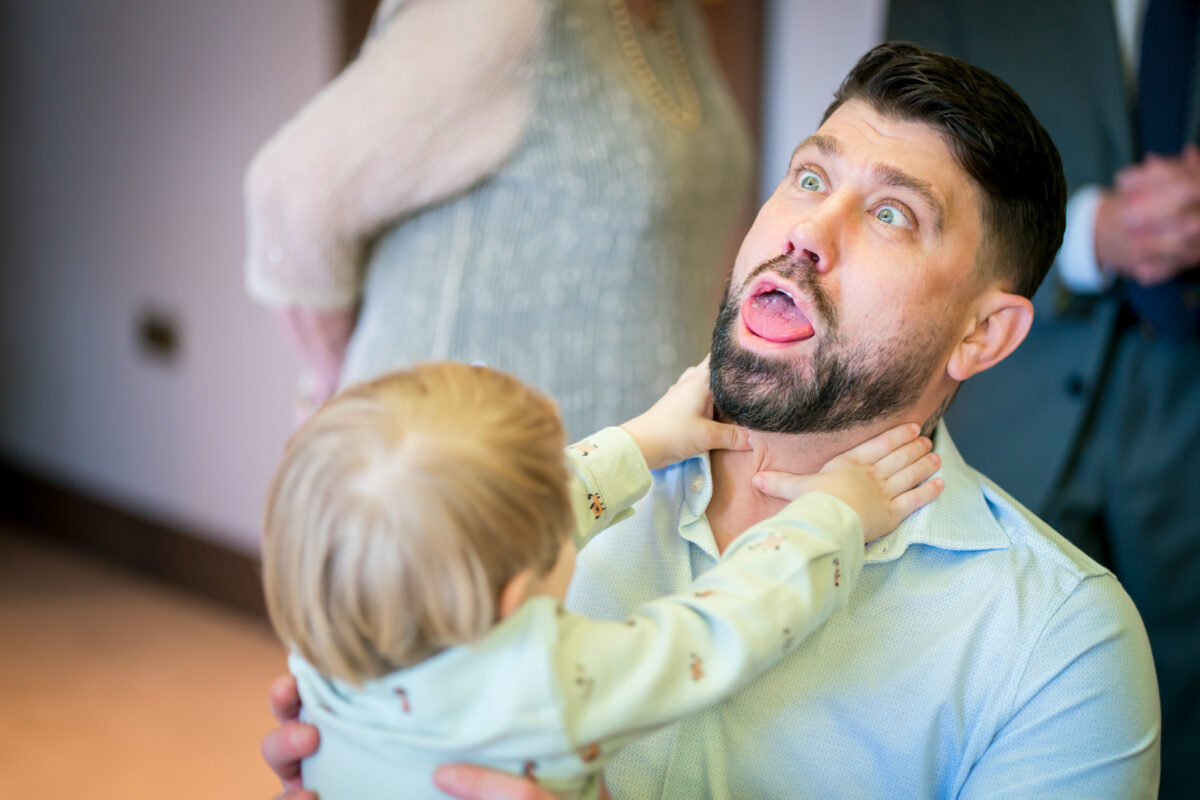
Documentary is often described as a style, but it’s probably closer to an approach. It’s about letting the day unfold without interruption and trusting that the important moments will still be there without needing to be engineered.
If you’re drawn to something that feels relaxed, natural, and focused on real interactions, then documentary photography tends to align with that instinct. It gives you the space to experience the day properly, and something honest to come back to afterwards.
If you want to talk things through or get a feel for how this might work for your plans, feel free to get in touch. Nothing formal, just a conversation to see if it feels like the right fit.