How to Choose your Wedding Venue | Wedding Photography Guide
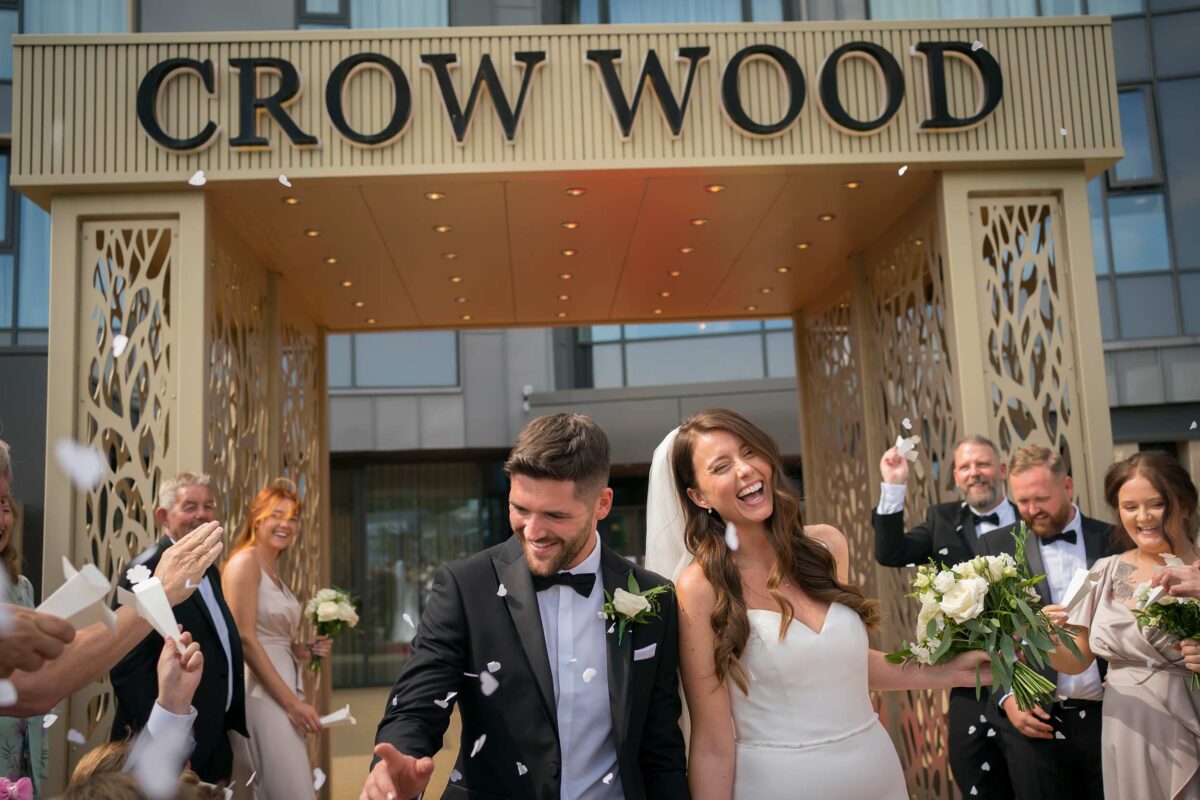
Congratulations your wedding journey is underway! Choosing your wedding venue is one of the biggest decisions you’ll make, as it sets the tone for your entire day. It will influence how your photos look, how your guests feel, and how the whole experience unfolds.
Before you visit any venues, clarify your vision, guest list, and budget. Consider who you’ll invite, what you want to spend, and the kind of atmosphere you imagine. Whether you picture a grand country house, a rustic barn, or a laid-back marquee, your answers will guide your search.
What to Consider When Choosing Your Wedding Venue
- Guest count and capacity: Match your venue to your guest list. A space too small feels cramped, while one too large can feel empty. Ask to see seating plans or photos of real weddings to help visualise your day.
- Budget and packages: Some venues offer full packages, while others require external suppliers. Ask what’s included: furniture, catering, corkage, staff, etc. Watch for hidden costs like cake cutting fees or service charges.
- Style and layout: What look are you going for? Classic, rustic, modern, or something quirky? Check how the space flows. Are ceremony and reception in the same room? Will guests need to move between buildings?
- Location and travel: Consider where guests are coming from and how easy it will be for them to travel. Look for nearby accommodation and check parking or taxi options. Think about how accessible the venue is for elderly guests or those with limited mobility.
- Time of year: Some venues shine in summer, others feel cosier in winter. Always ask what indoor alternatives exist for outdoor ceremonies. If you’re marrying in cooler months, ask about heating and lighting.
Venue Types: Pros and Cons
Barns and Farm Venues
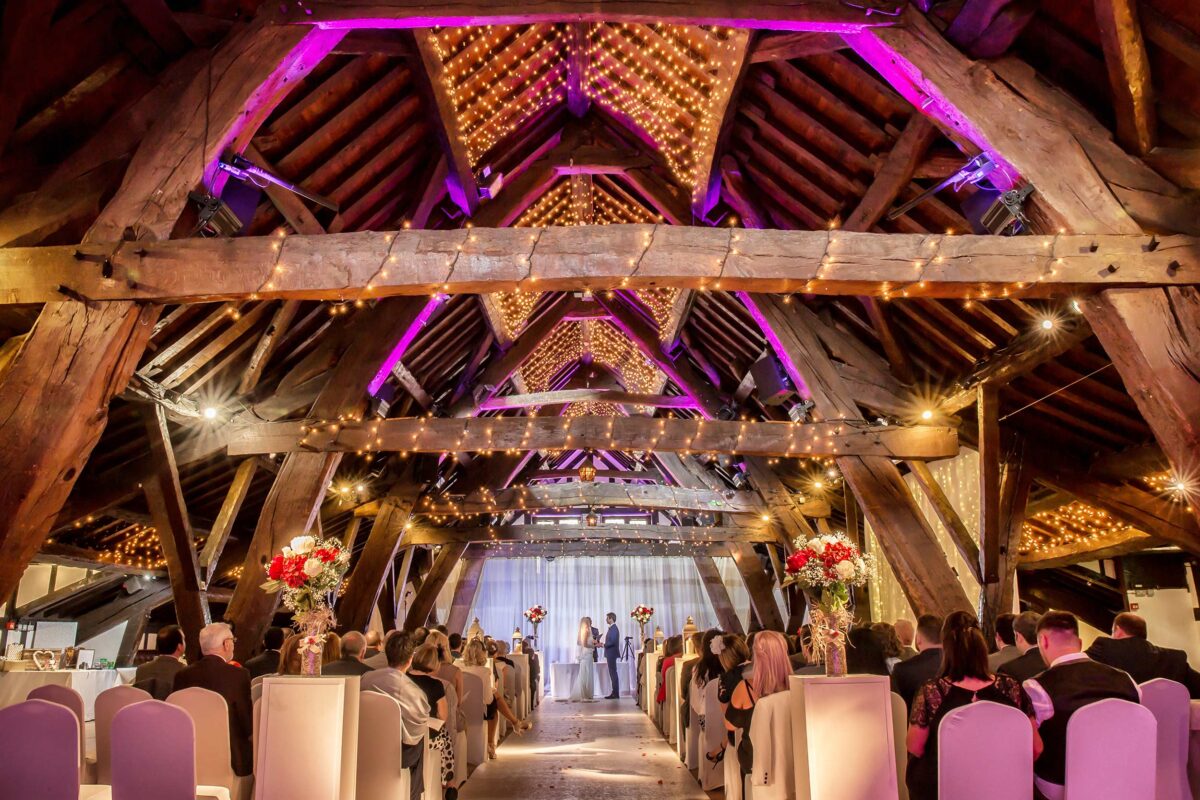
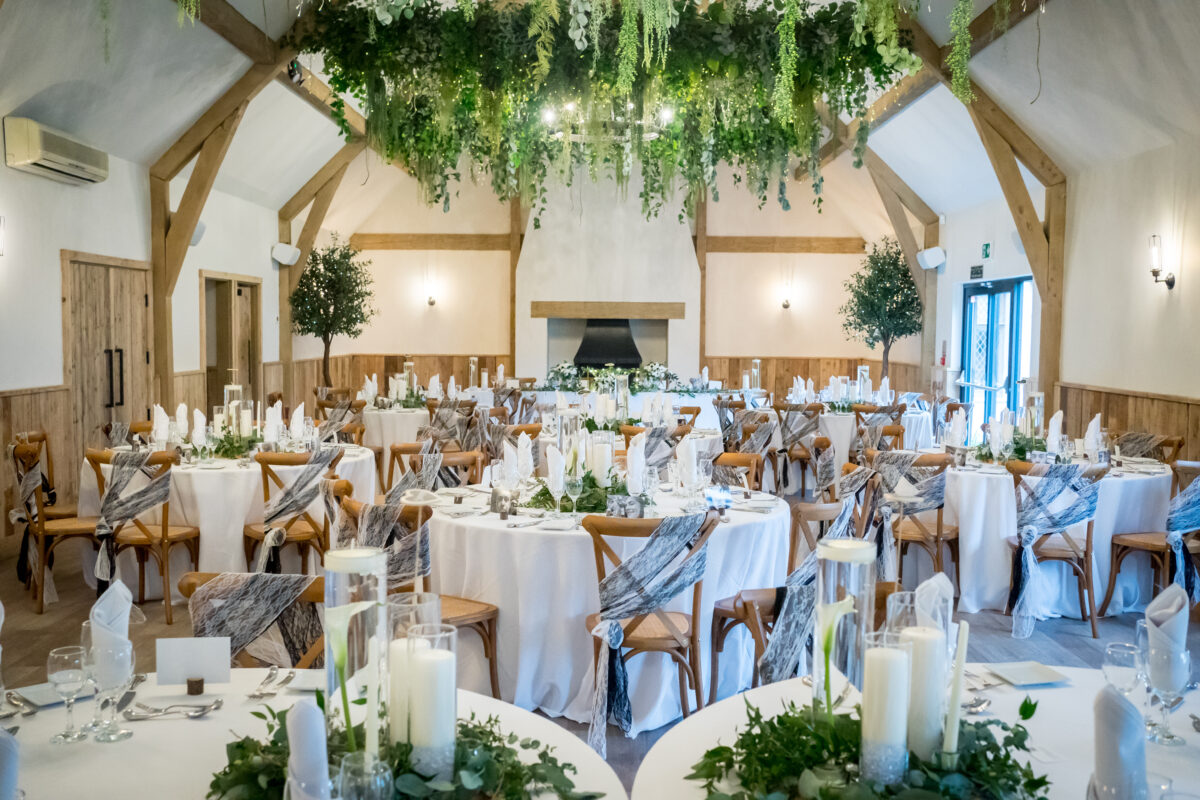
Barns have a warm, rustic charm. Expect high beams, stone walls, and beautiful countryside views. Many allow personal decoration and offer great photo opportunities.
- Pros: Full of character, often very flexible.
- Cons: Can be remote, and may need extra heating or hire-ins for facilities.
Hotels and Country Houses
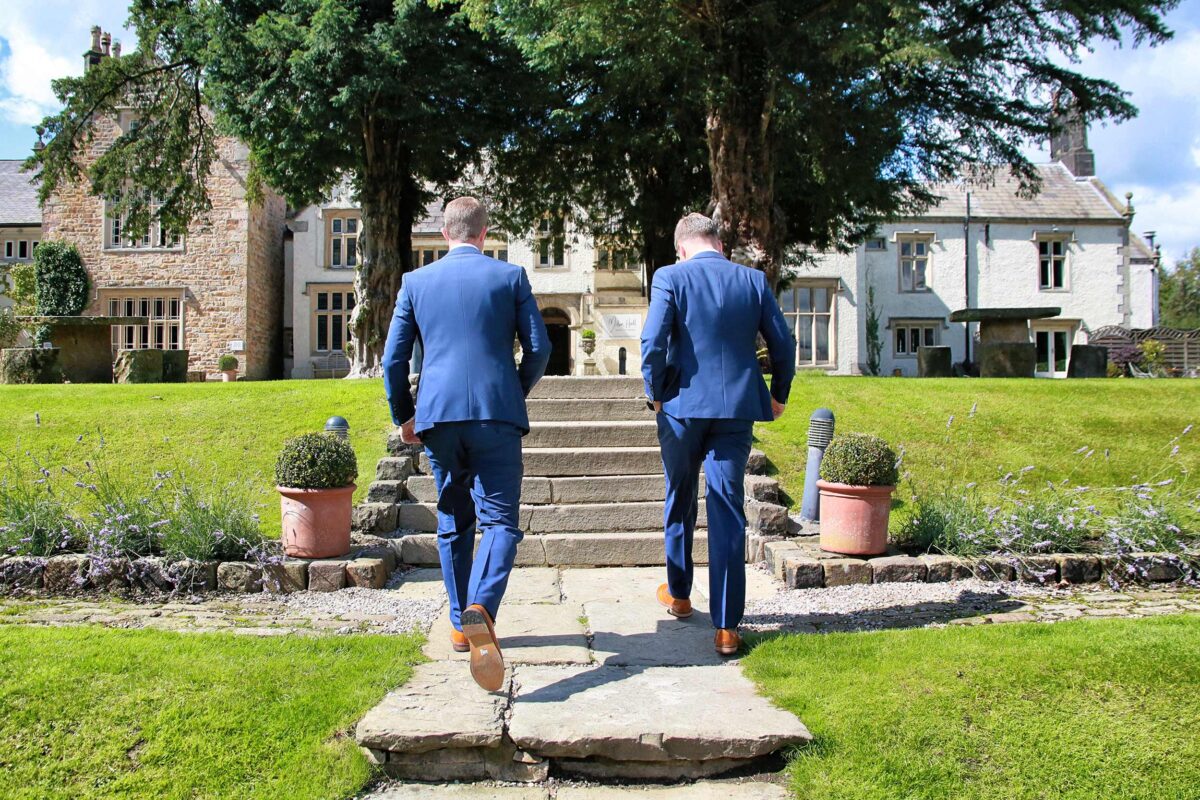
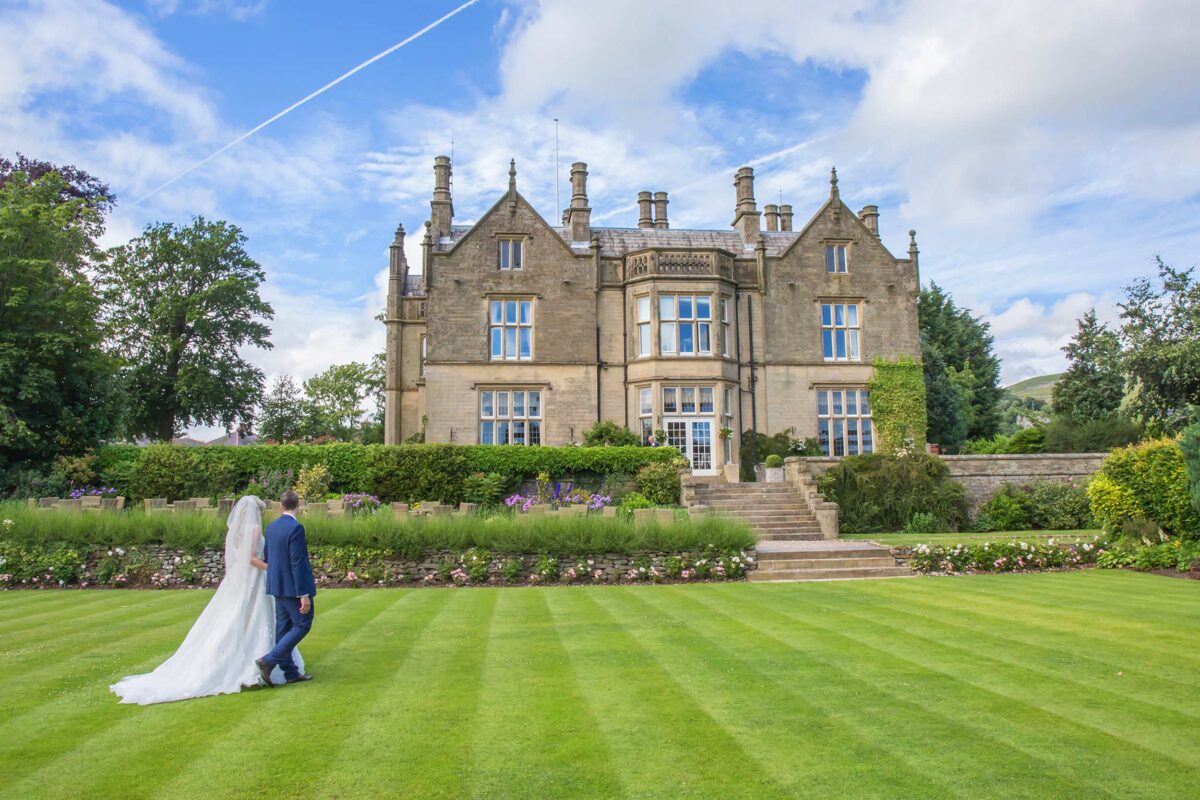
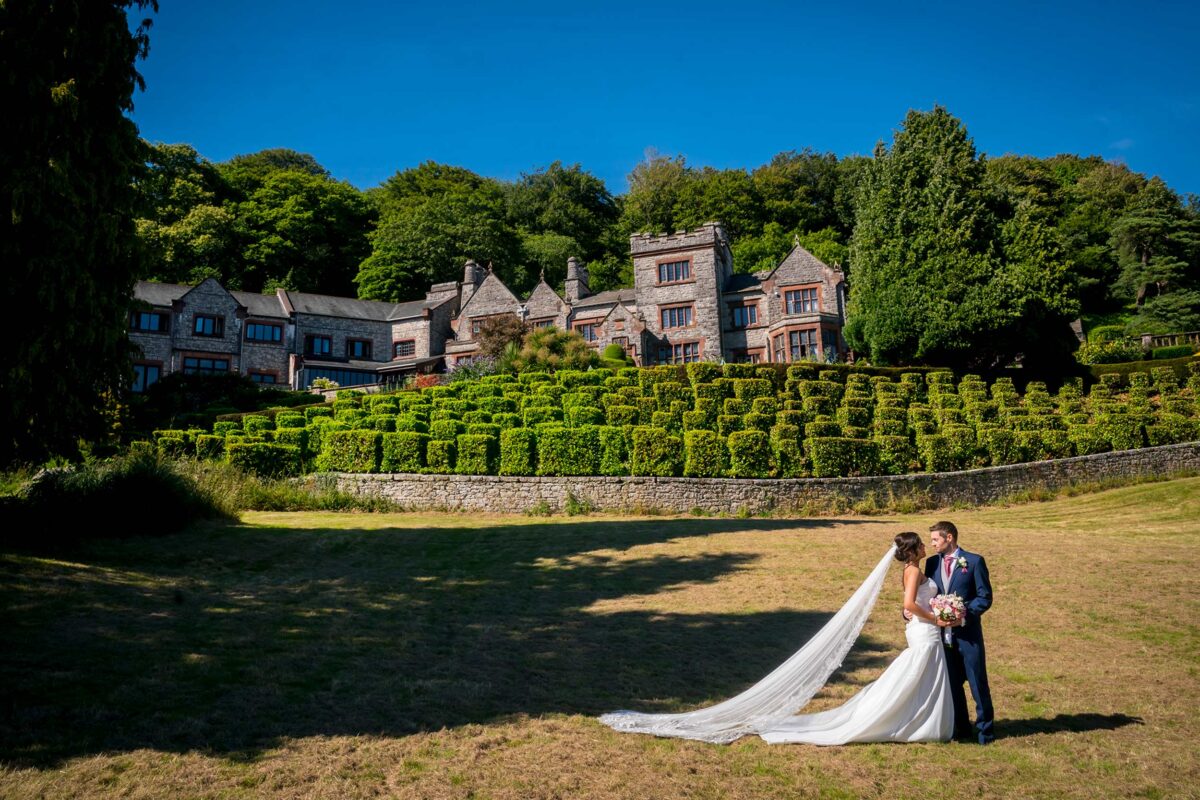
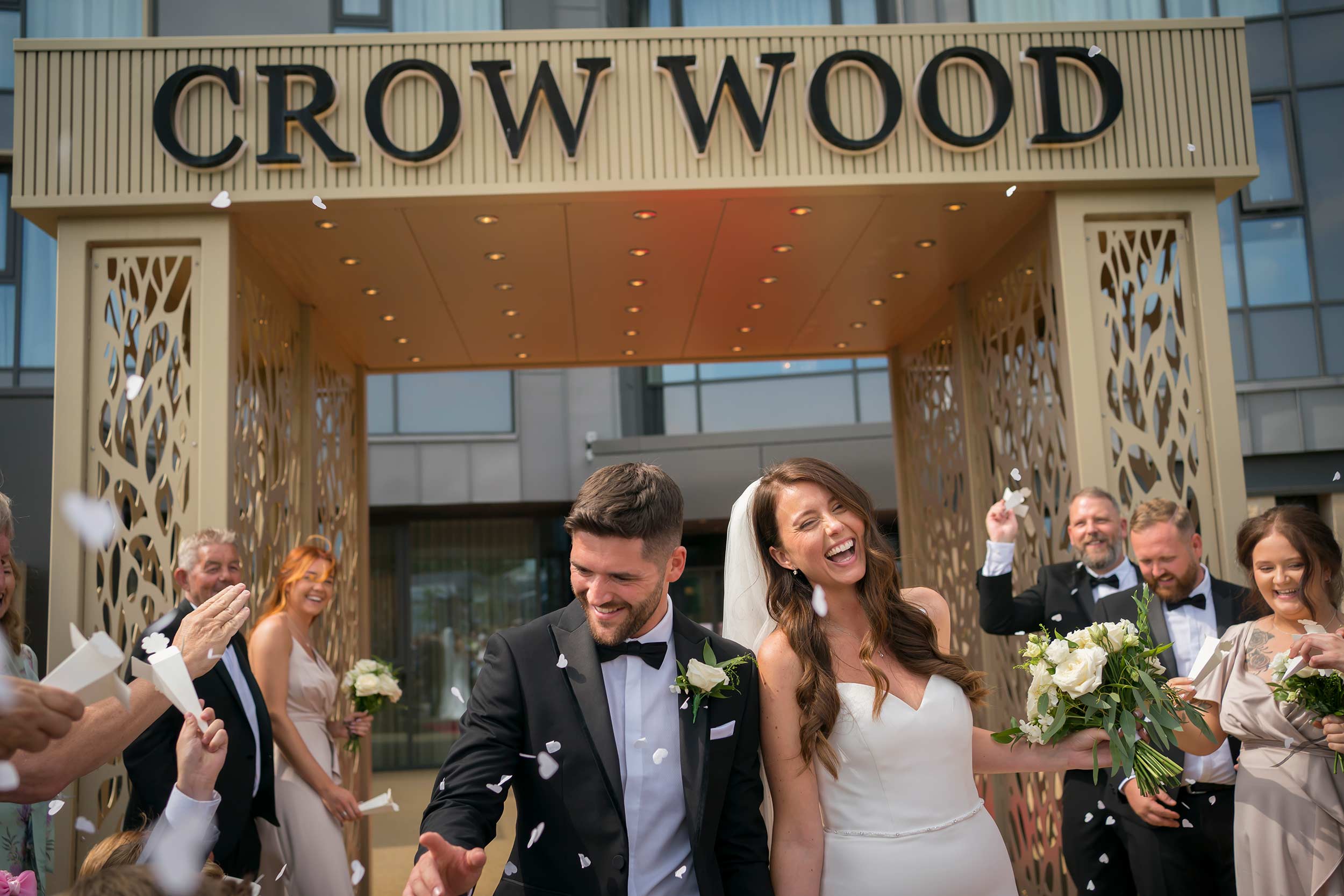
Hotels offer convenience. Everything is often in one place: ceremony rooms, reception space, accommodation, catering, and staff.
- Pros: Great for guest comfort, often elegantly styled.
- Cons: Less flexibility in decor or suppliers. Some venues have fixed packages or minimum spends.

Marquees and Tents
Marquees offer a blank canvas, often in private gardens or scenic fields. You can customise almost everything.
- Pros: Unlimited styling potential, choose your location.
- Cons: Need to hire in everything toilets, flooring, lighting and plan for weather.

Private Homes and Unique Venues
Weddings at home or in unusual spaces (like museums or art galleries) feel personal and unique. You’re not tied to set packages or rules.
- Pros: Sentimental, flexible, and often memorable.
- Cons: Limited facilities and more logistics for you to manage.

Practical Considerations
- Room layout: Check how spaces flow together. Do guests move between buildings or stay in one space? Is there room for dining, dancing, and relaxing?
- Exclusivity: Some venues host more than one wedding at a time. Ask if your booking gives you full use of the venue.
- Comfort: Especially for outdoor venues, think about shelter, heating, and toilets. Are guests protected if the weather turns?
- Accommodation: Does the venue offer overnight rooms? If not, check how far guests will need to travel and whether local hotels are available.
- Food and drink: Ask about menus, corkage fees, or if outside caterers are allowed. Some venues only work with preferred suppliers.
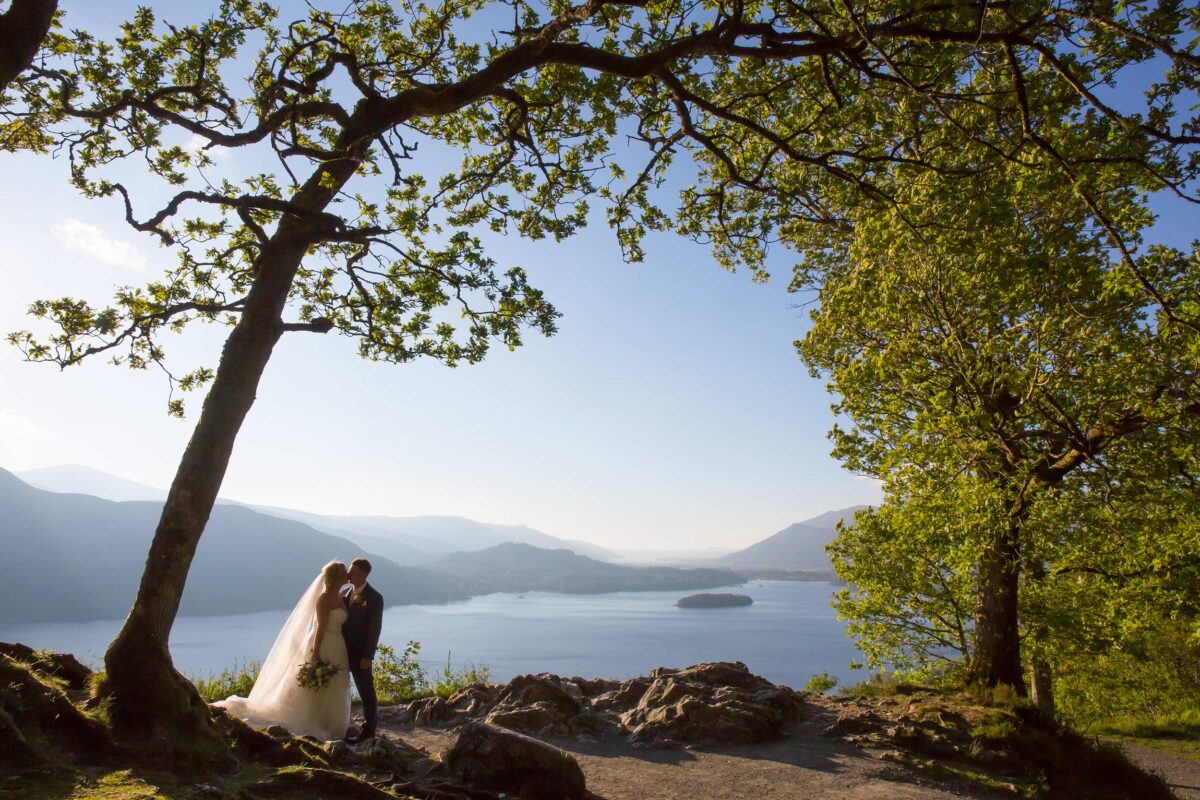
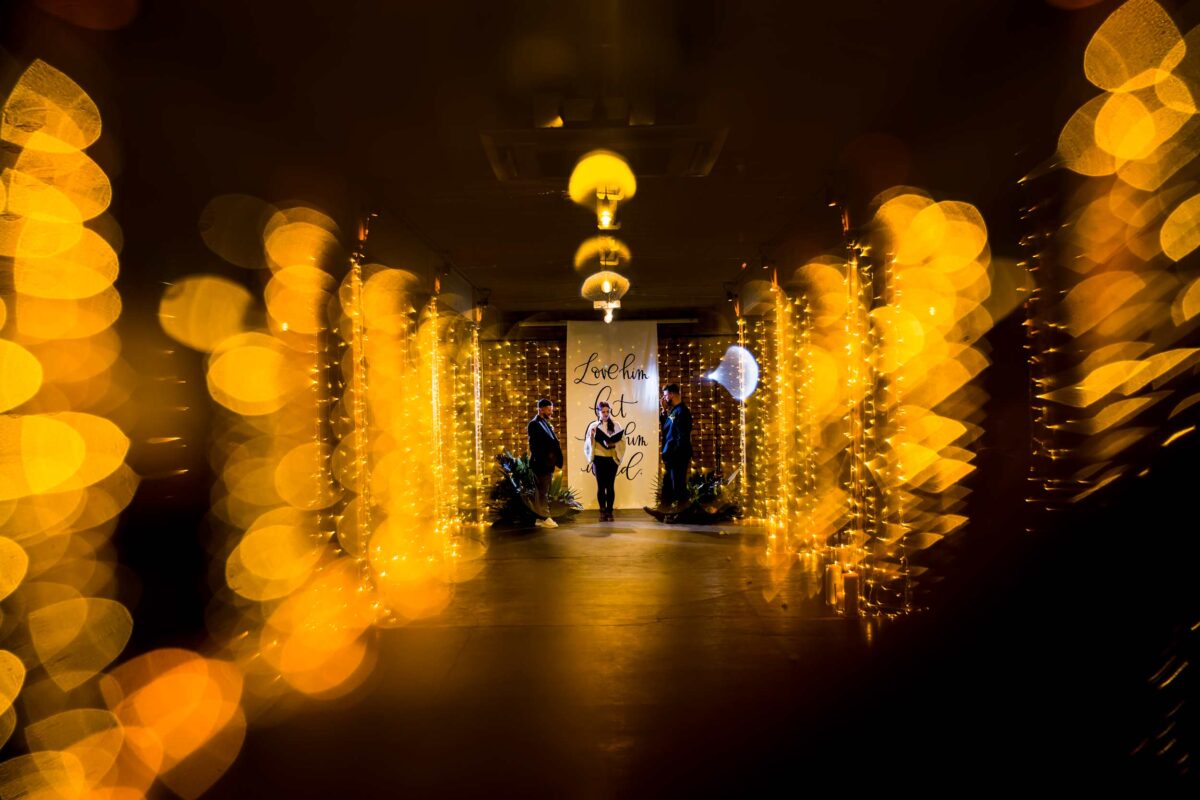
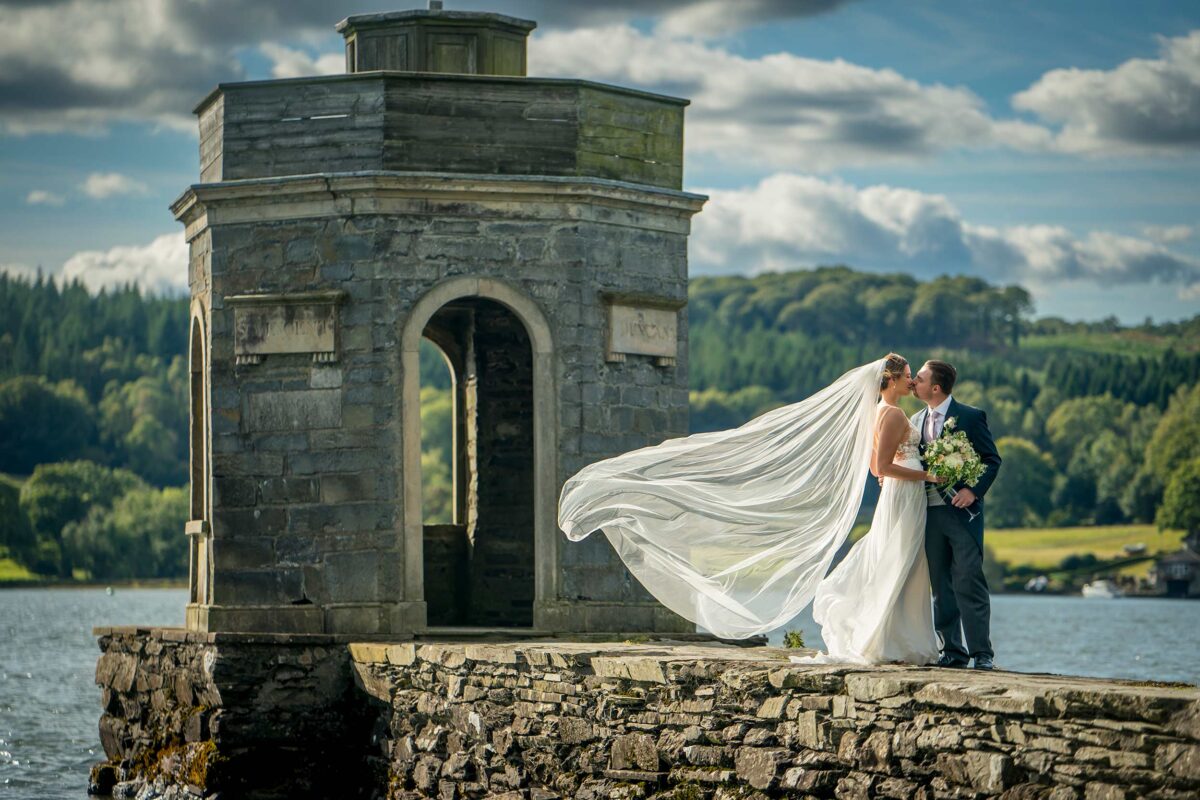
- Lighting and photos: Good light makes a big difference to your photography. Venues with big windows, open grounds, or unique backdrops can enhance your wedding album. If the venue is dark, talk to your photographer about flash and indoor lighting.
- Accessibility: Make sure the venue works for all your guests. Check for lifts, ramps, nearby parking, and whether elderly guests can comfortably move between rooms.
Wedding Venue Checklist
- Guest numbers: Fit your list comfortably with some extra space.
- Budget: Know what’s included and what’s extra.
- Style: Match the venue to your theme and vibe.
- Season: Ensure backup plans for weather.
- Travel: Consider ease for guests and overnight options.
- Layout: Think through flow and room use.
- Exclusivity: Ask if the venue is shared on your day.
- Food and drink: Understand the catering setup.
- Facilities: Check for essentials like loos and heating.
- Photography: Look for light, variety, and photo opportunities.
- Accessibility: Ensure all guests can attend comfortably.

Destination Weddings
Ever dreamed of tying the knot somewhere breathtaking, like a quiet beach, a vineyard in the hills, or a centuries-old village square? Destination weddings bring a sense of adventure, offering not just a stunning location but a shared experience for you and your closest guests. They tend to be more intimate, often stretching across several days, creating unforgettable memories with your nearest and dearest.
All of the considerations in this guide still apply, but planning from another country does require a bit more care. The key is to communicate clearly with your venue and as many suppliers as possible in advance. With the right planning and support, it can feel just as easy and even more exciting than staying close to home.
I regularly travel with couples to photograph destination weddings, arriving a day or two early to capture portraits and get to know the setting. Whether it’s the pre-wedding dinner, a stroll through the town, or relaxed moments the morning after, I’ll be there to tell the full story. My goal is to make the experience smooth and enjoyable, while delivering a gallery that reflects the whole adventure.

Final Thoughts
Choosing a wedding venue is a personal decision, but a little research and the right questions go a long way. Walk through the day in your head: where will you get ready, say your vows, eat, dance, and relax? The right space will make all of that feel natural and exciting.
Hopefully you’re feeling more confident about what to look for and which questions to ask as you explore your options. If you’d like to chat more about your venue ideas or ask how I approach photographing different types of weddings, I’m always happy to talk.
Let’s plan how to tell your story wherever it unfolds!