Non-posey Portraits | Wedding Photography Guide
Wedding Photos Without the Stand-and-Smile Shots
Planning your wedding photography and dreading the idea of being made to stand still and smile on command? You’re not alone. Many couples tell me they’re looking for relaxed, natural wedding photography that captures real moments instead of formal or overly arranged ones. This is where non-posey portraits come in. It’s all about authentic wedding photos that feel true to you. No rigid staging, no shouting “Say cheese!” on your big day.
In this post, I’ll share what non-posey portraits mean for your wedding, why a relaxed approach creates the best memories, and how I work with couples to capture beautiful images without turning your day into a photoshoot. By the end, you’ll see how you can get gorgeous portraits while barely noticing the camera at all. (Yes, really!)
What Are “Non-posey” Portraits?
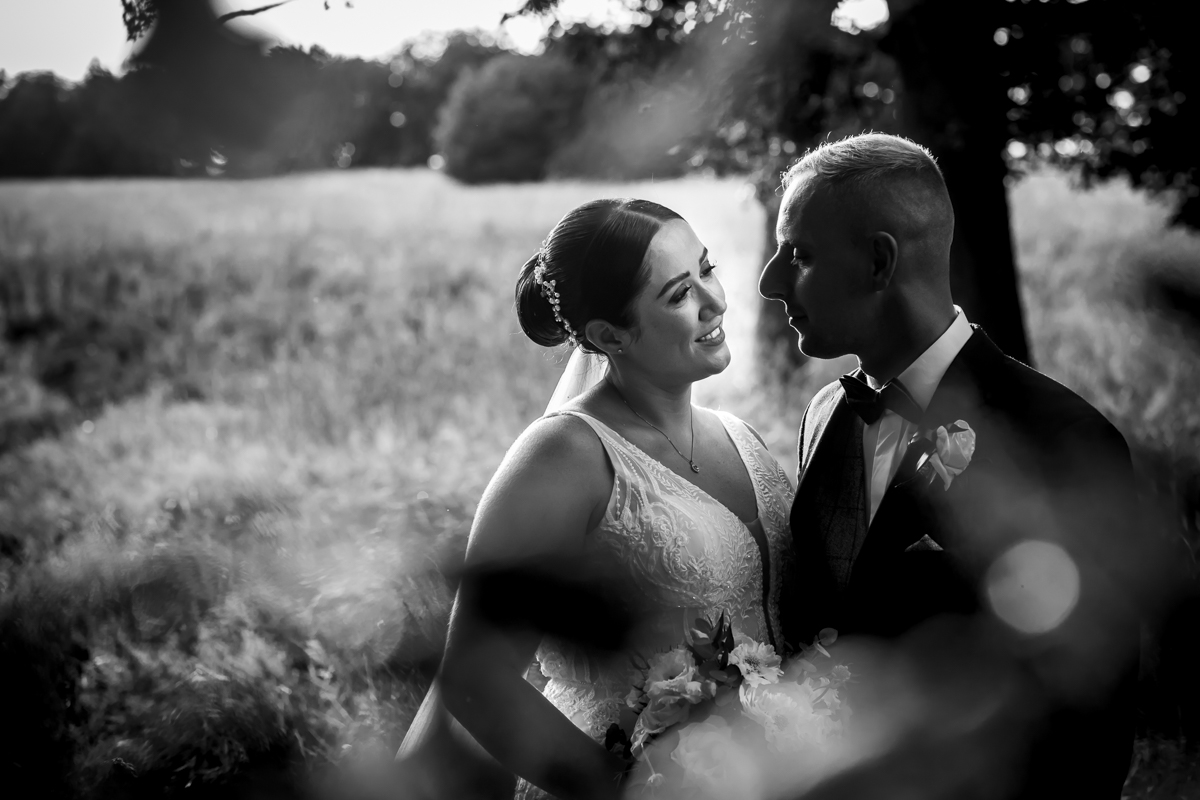
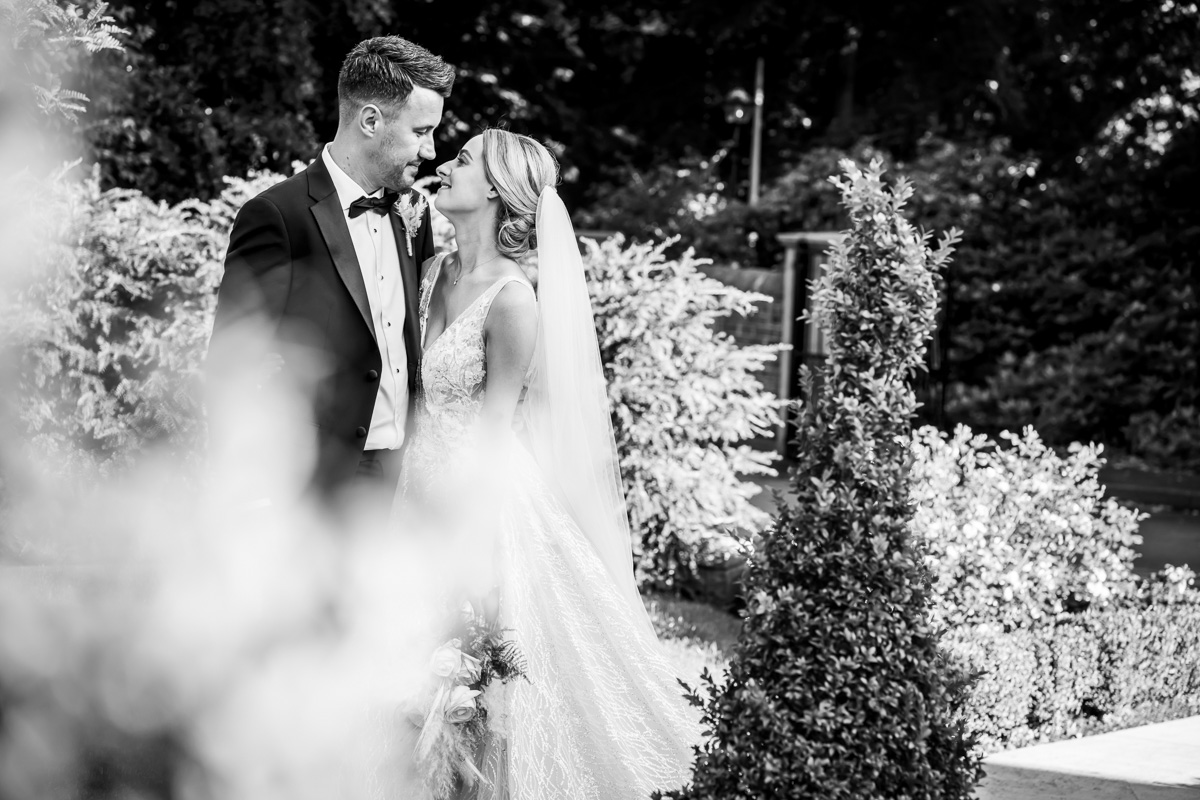
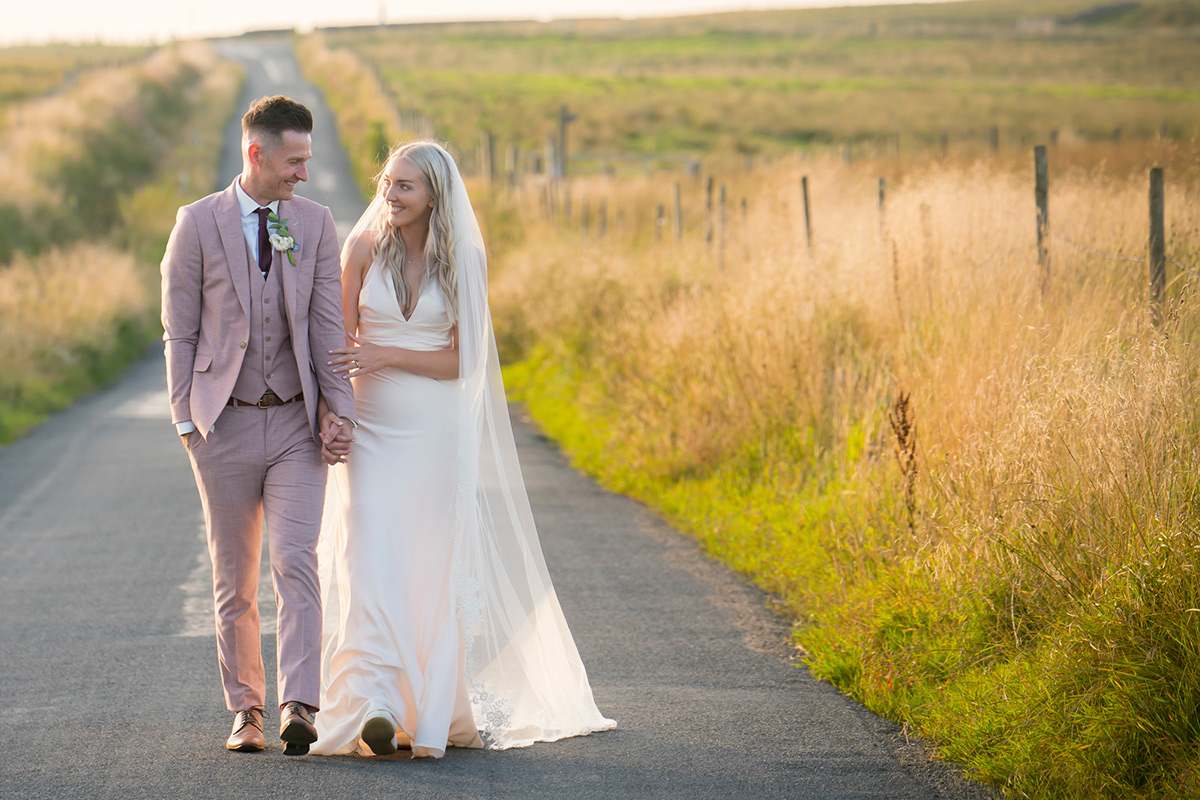
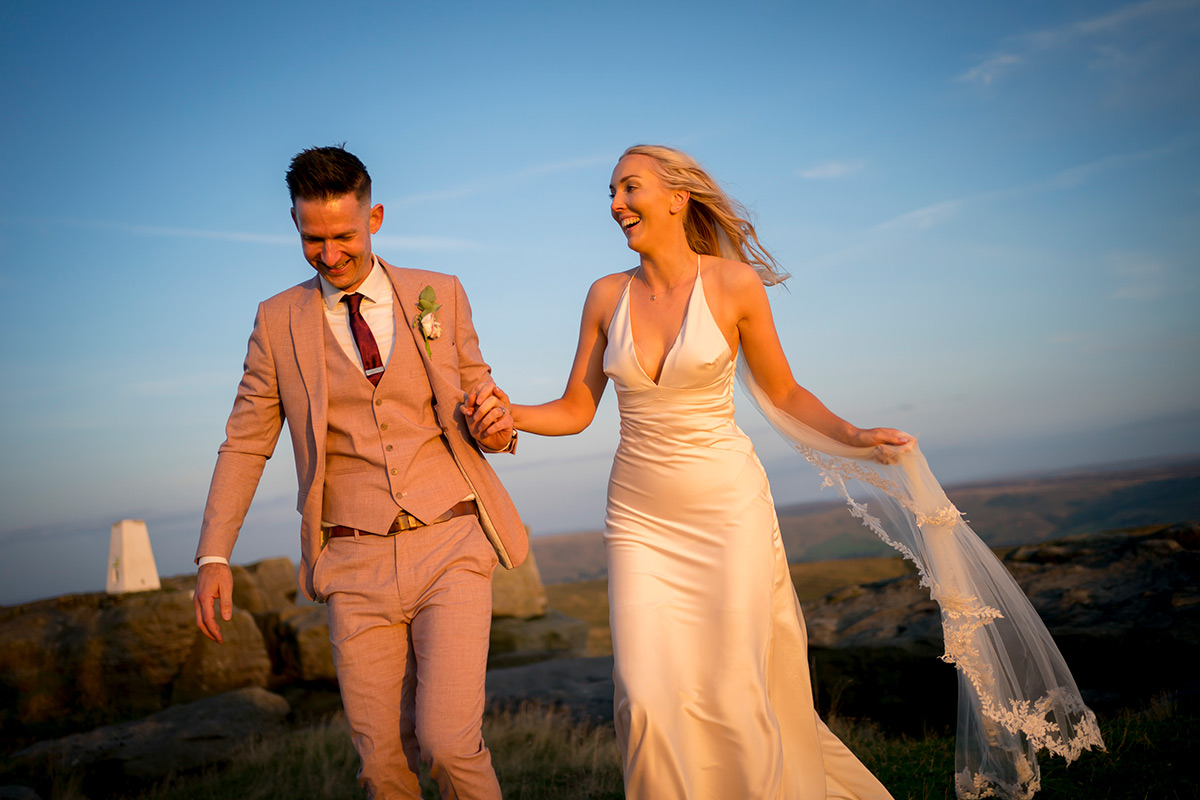
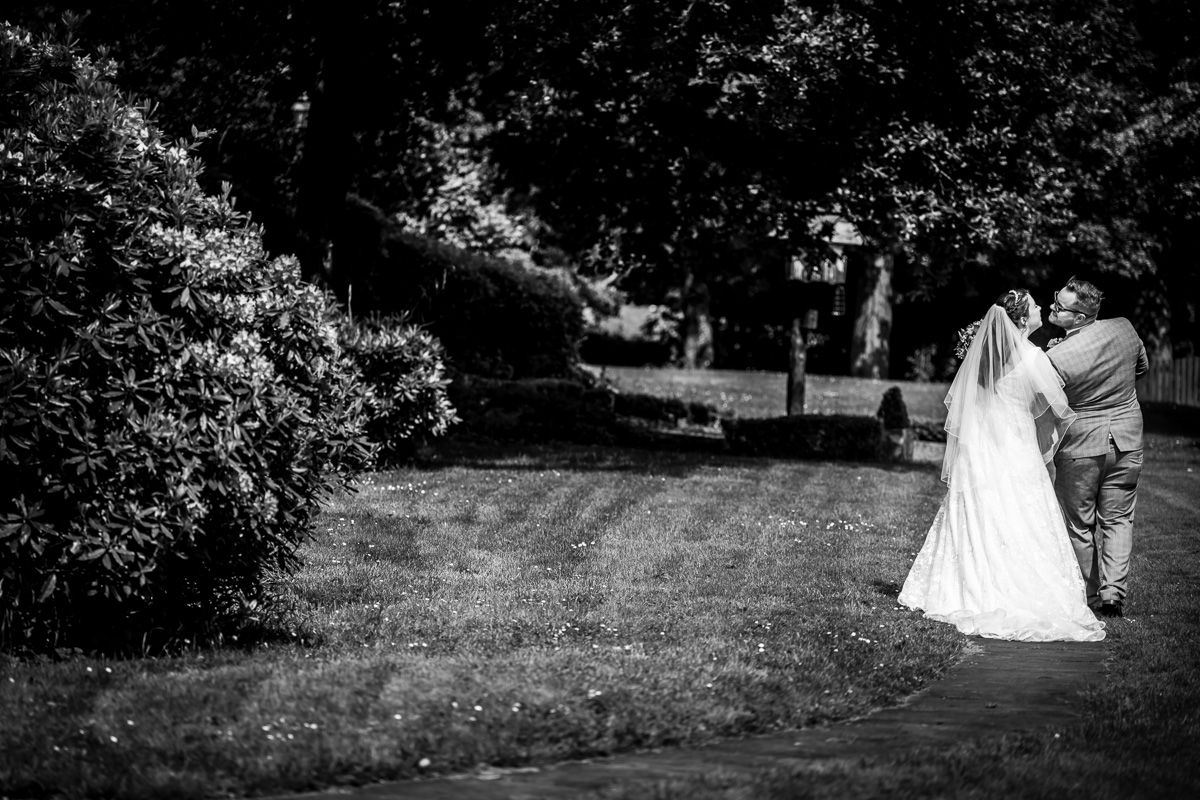
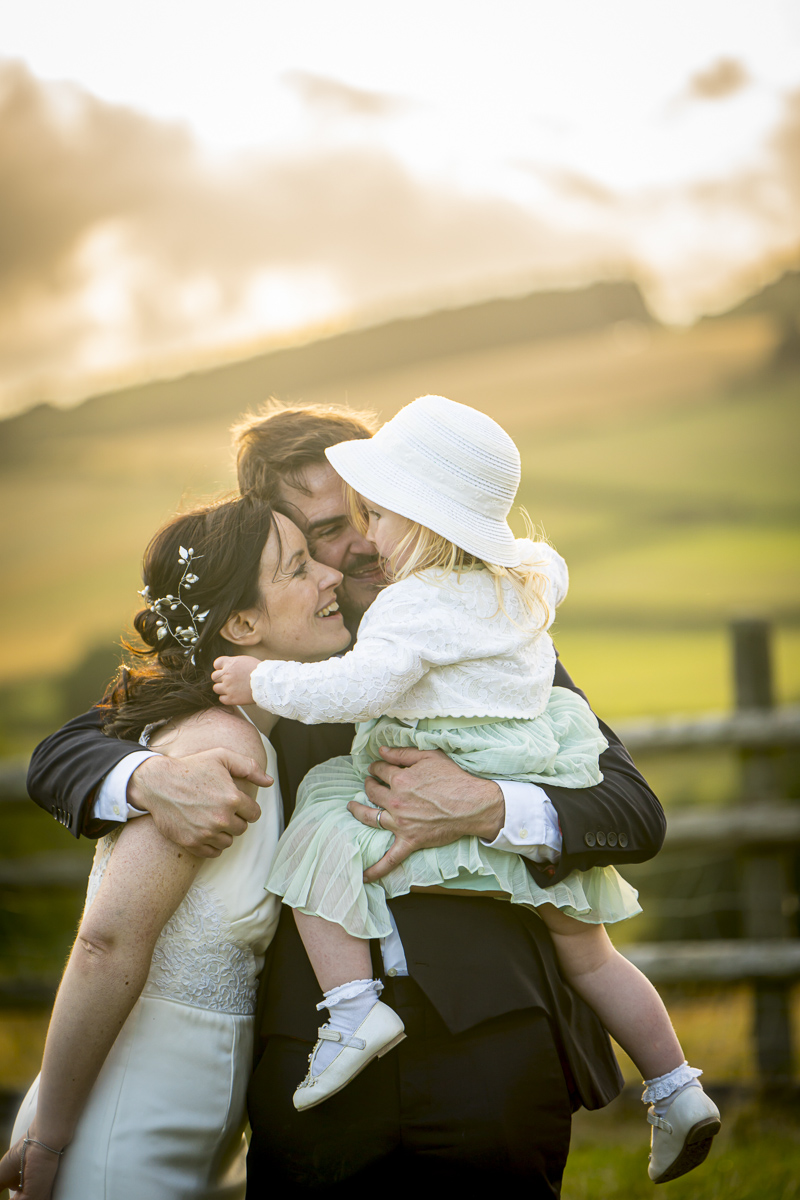
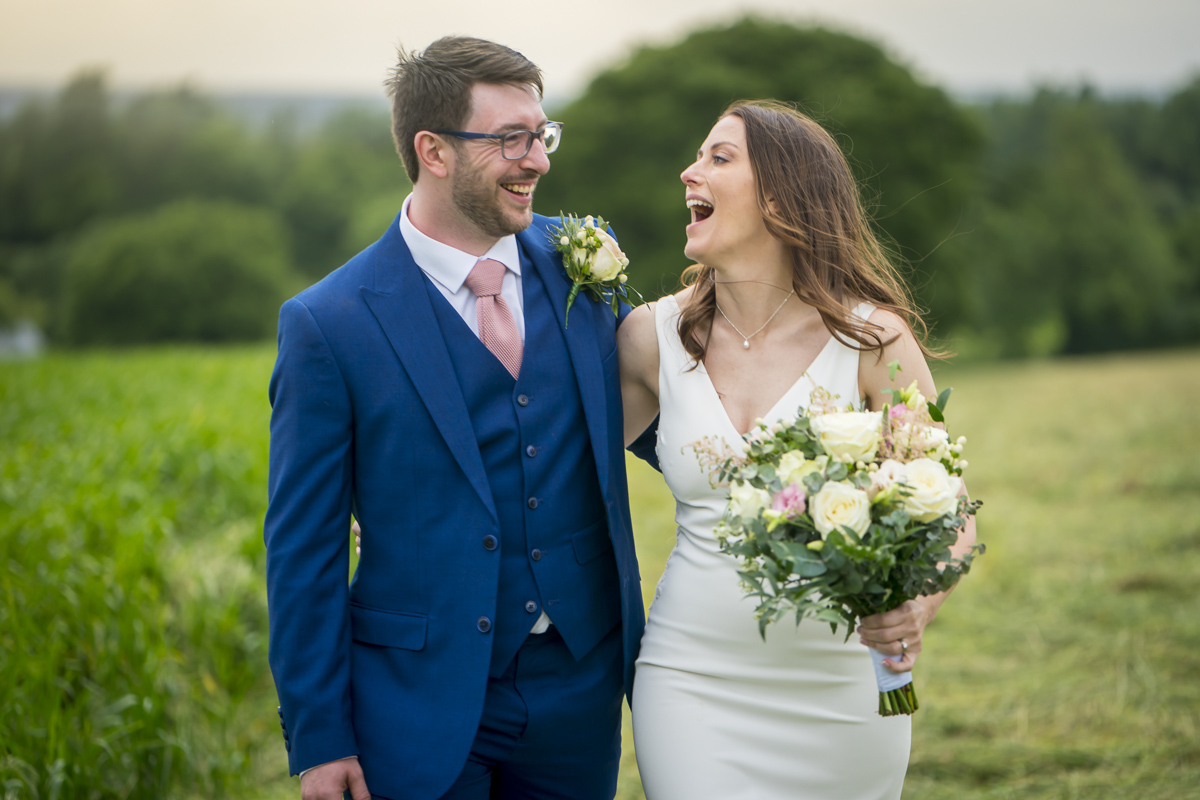
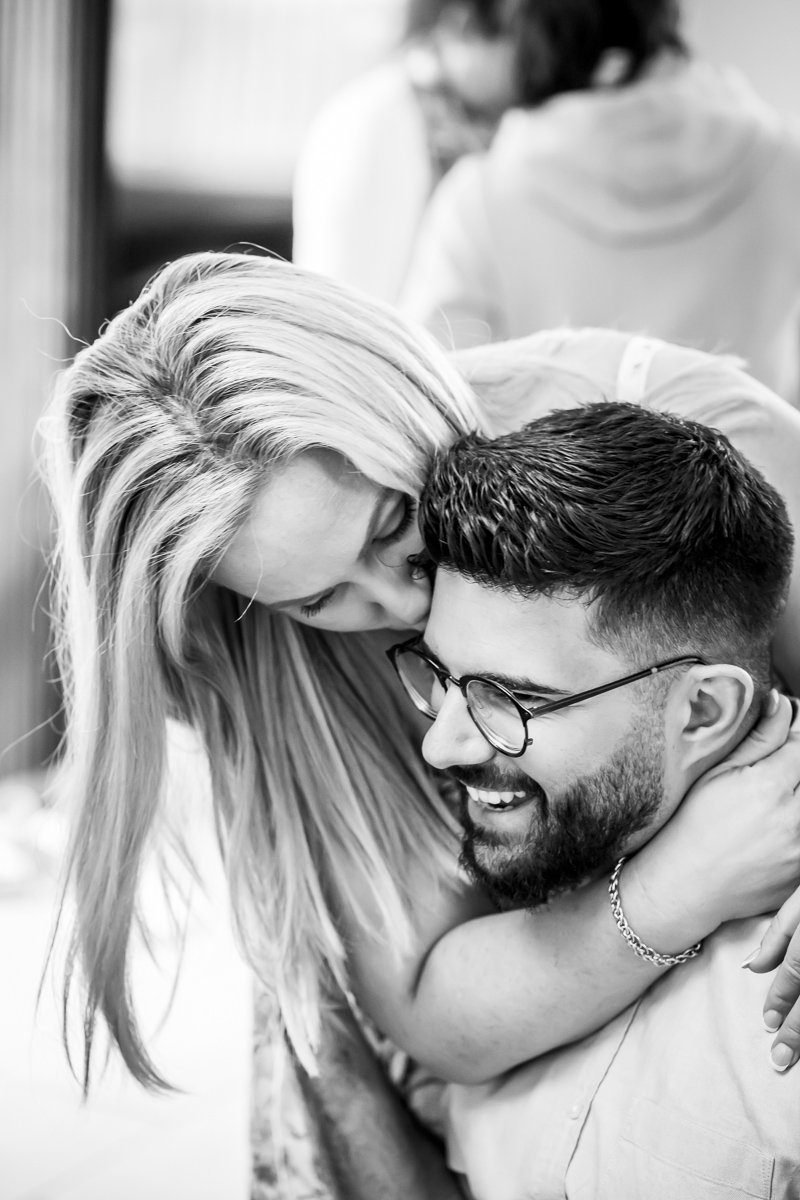
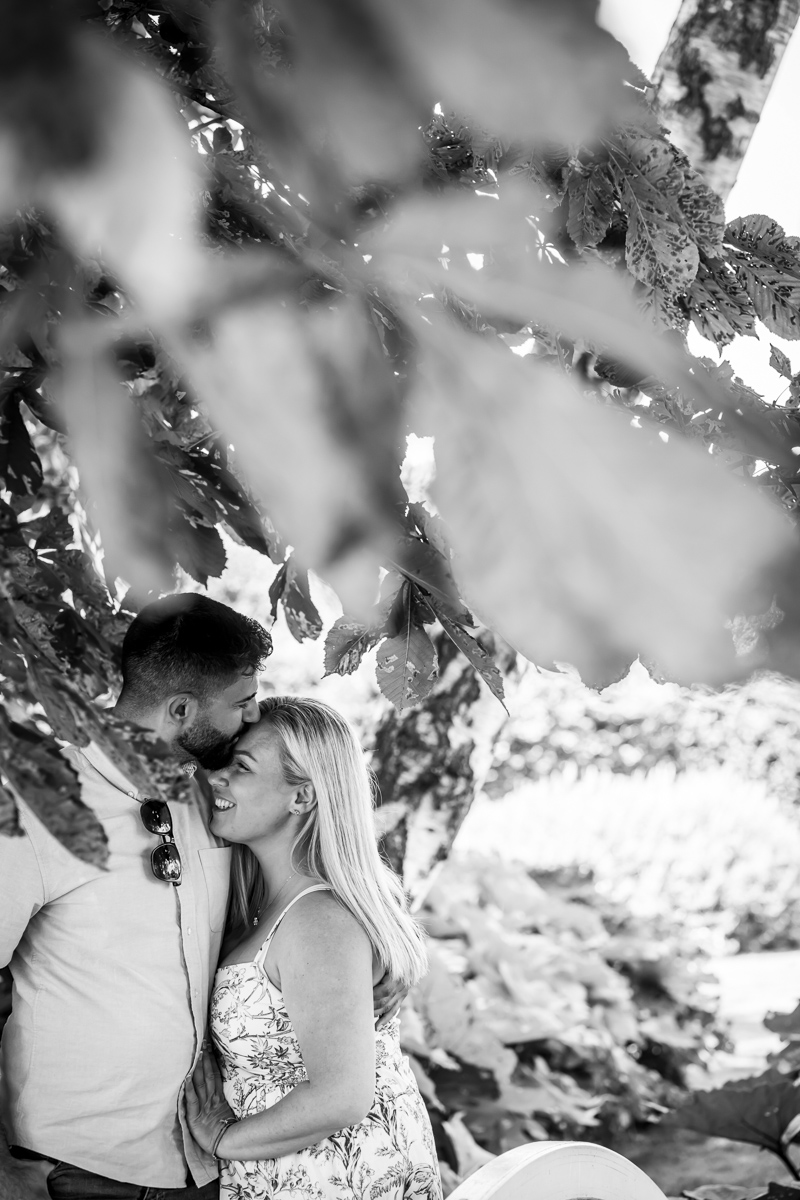
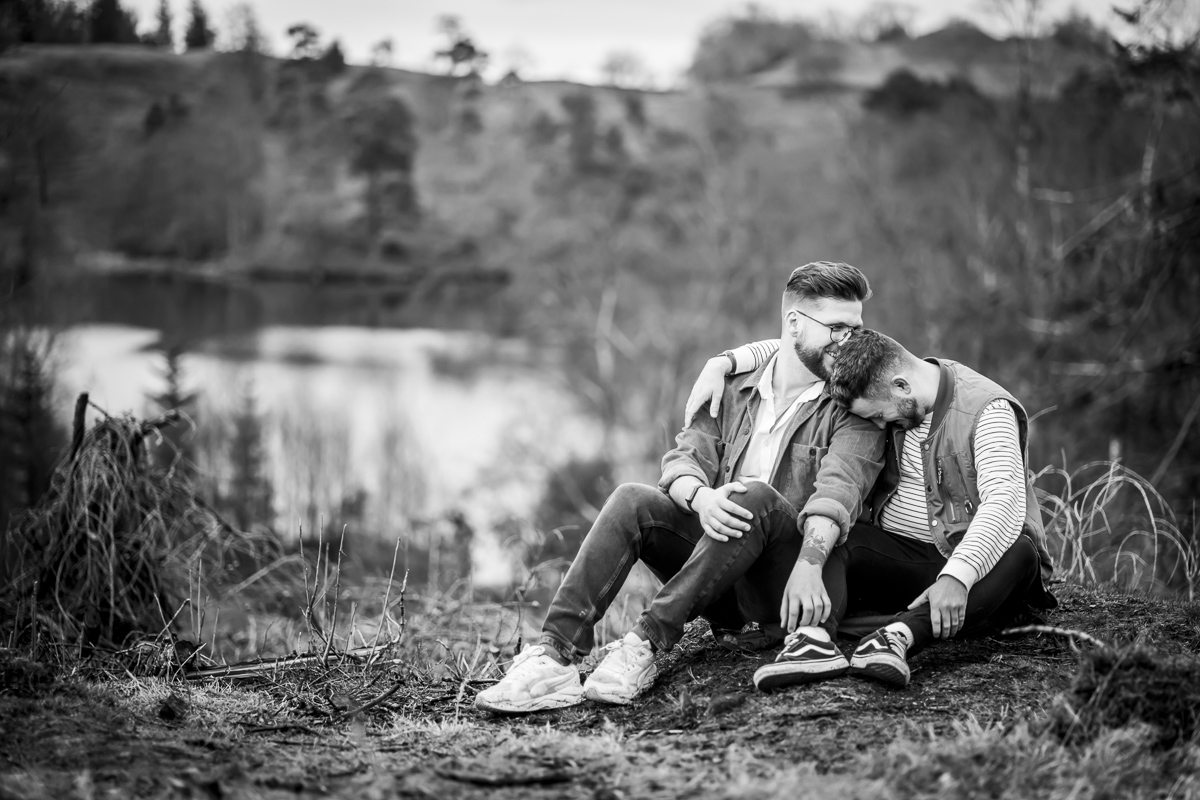
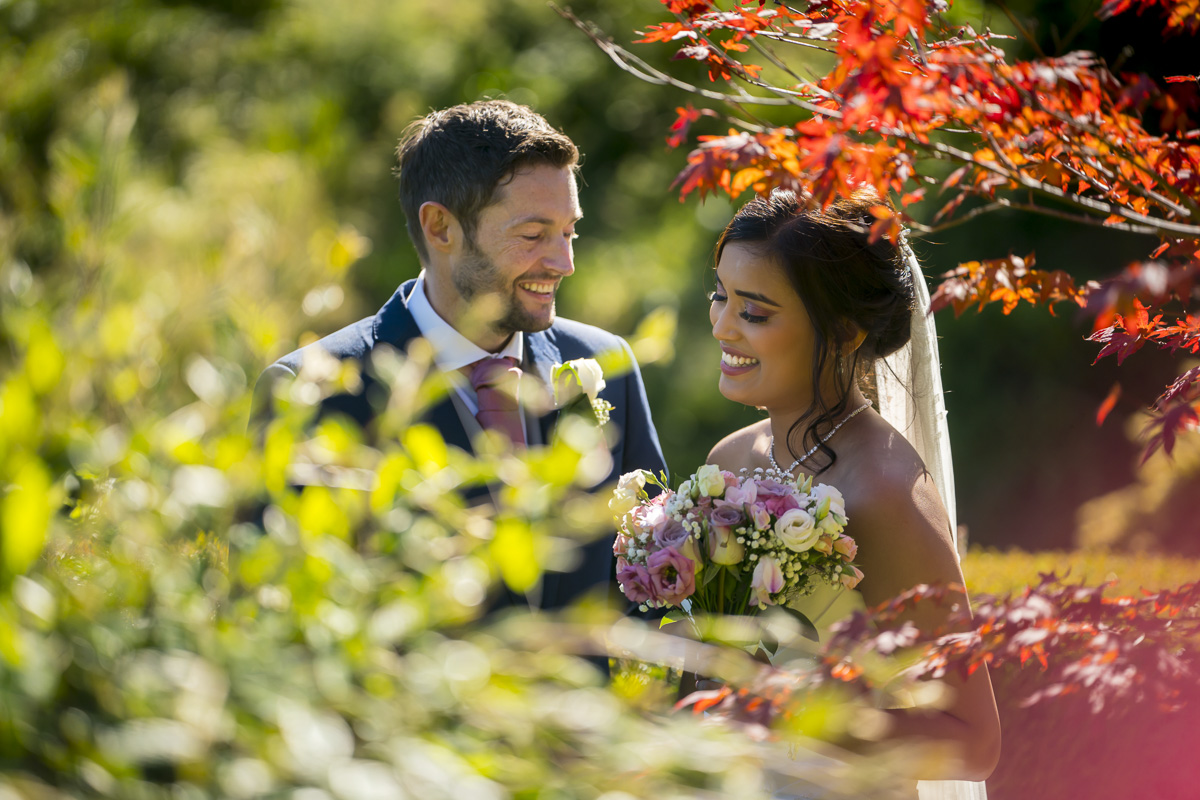
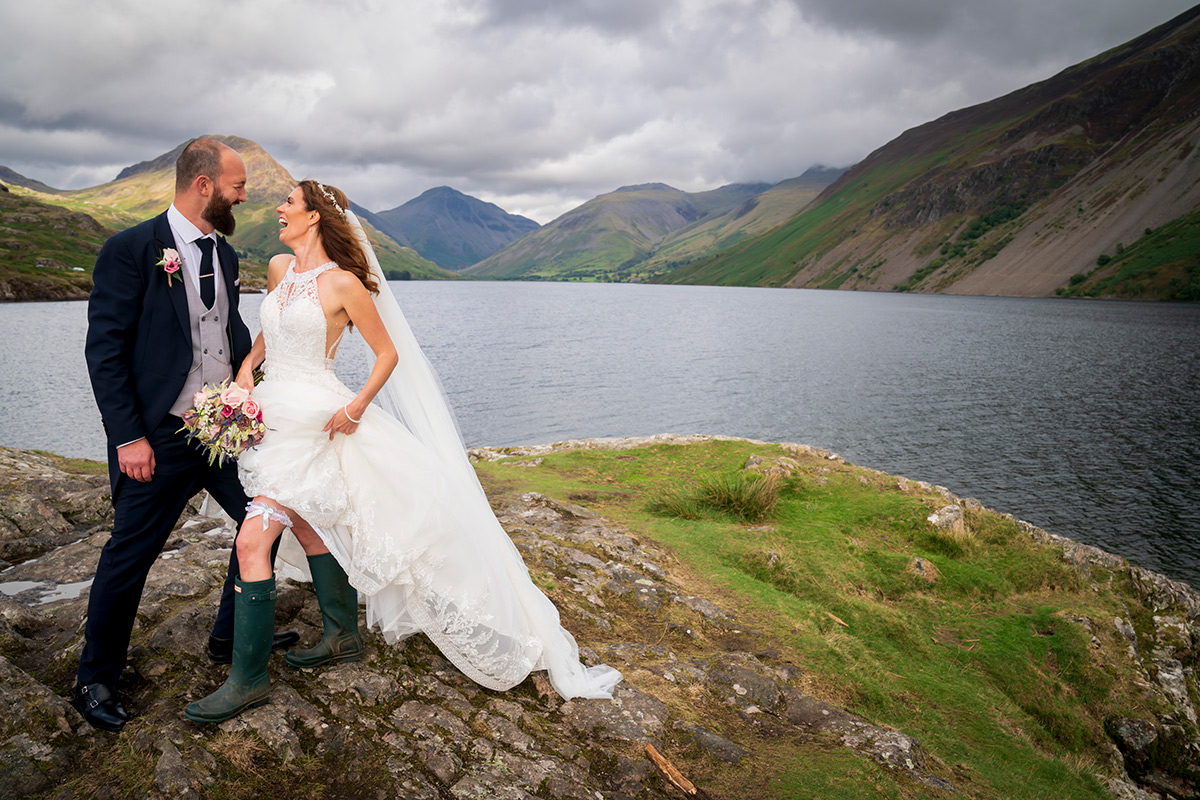
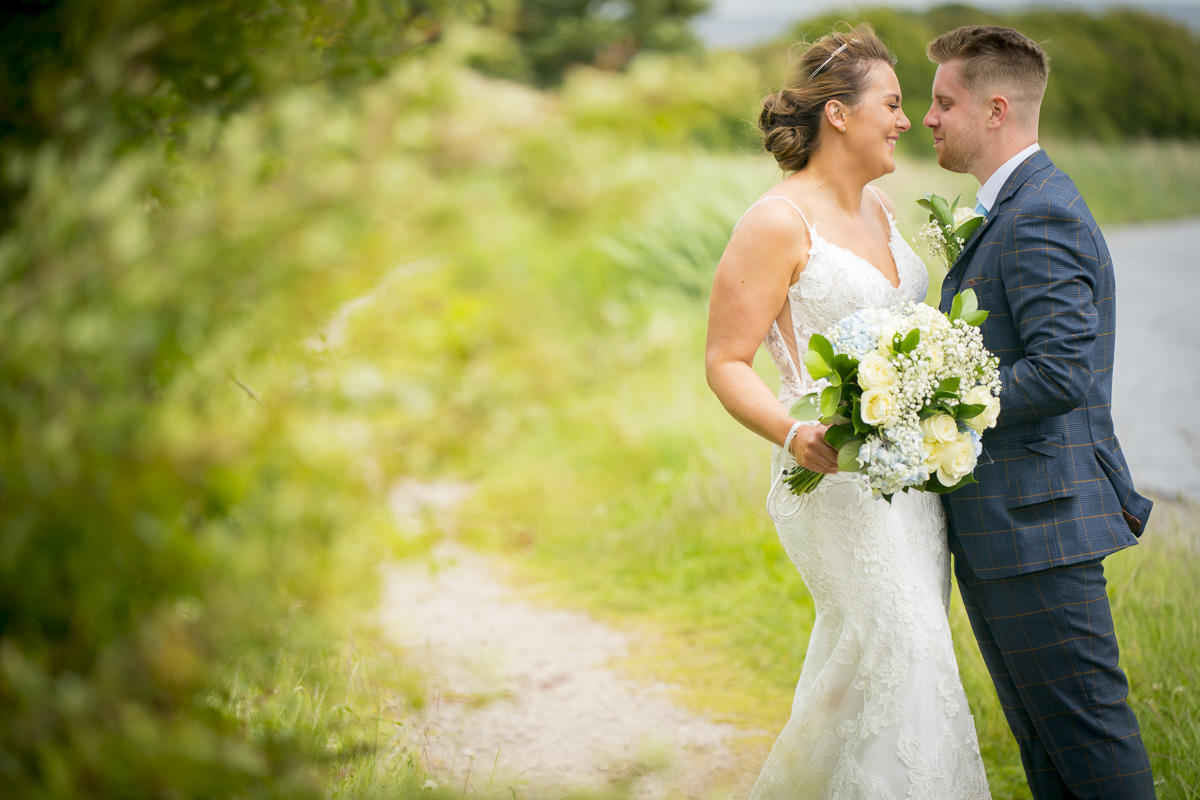
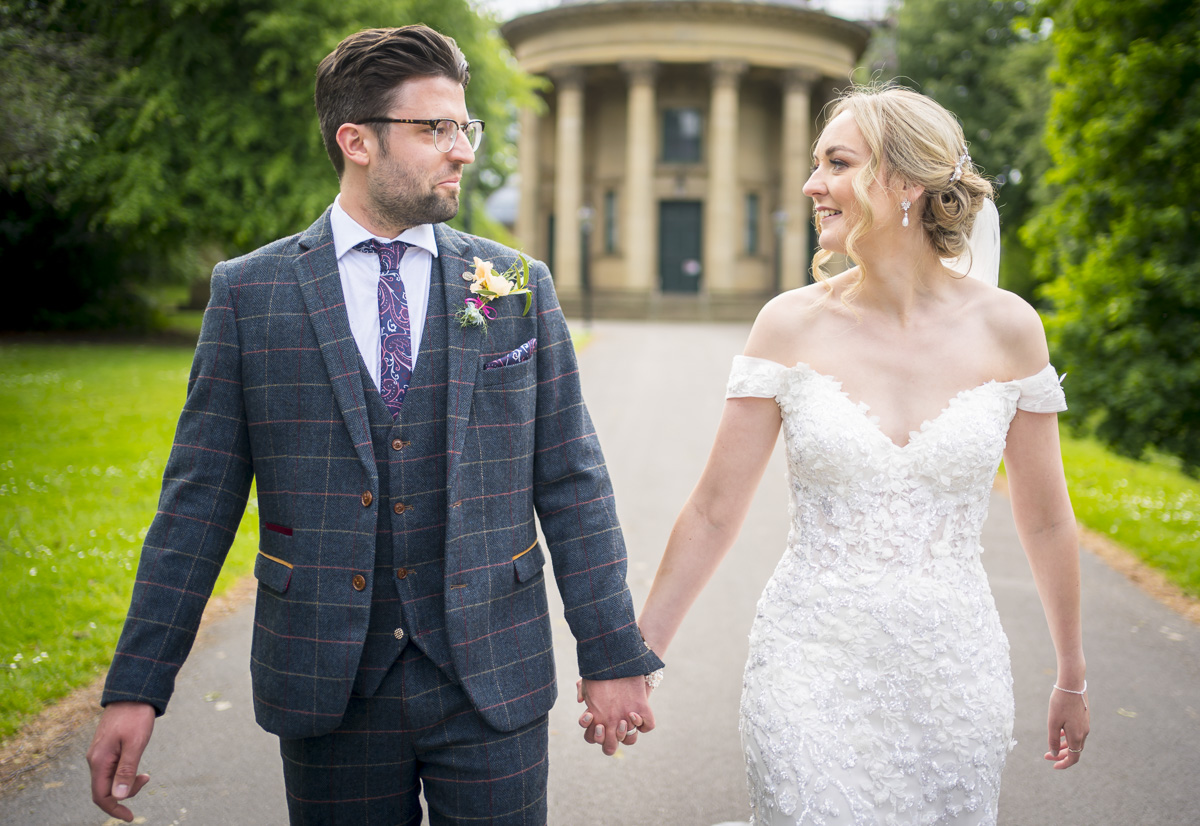
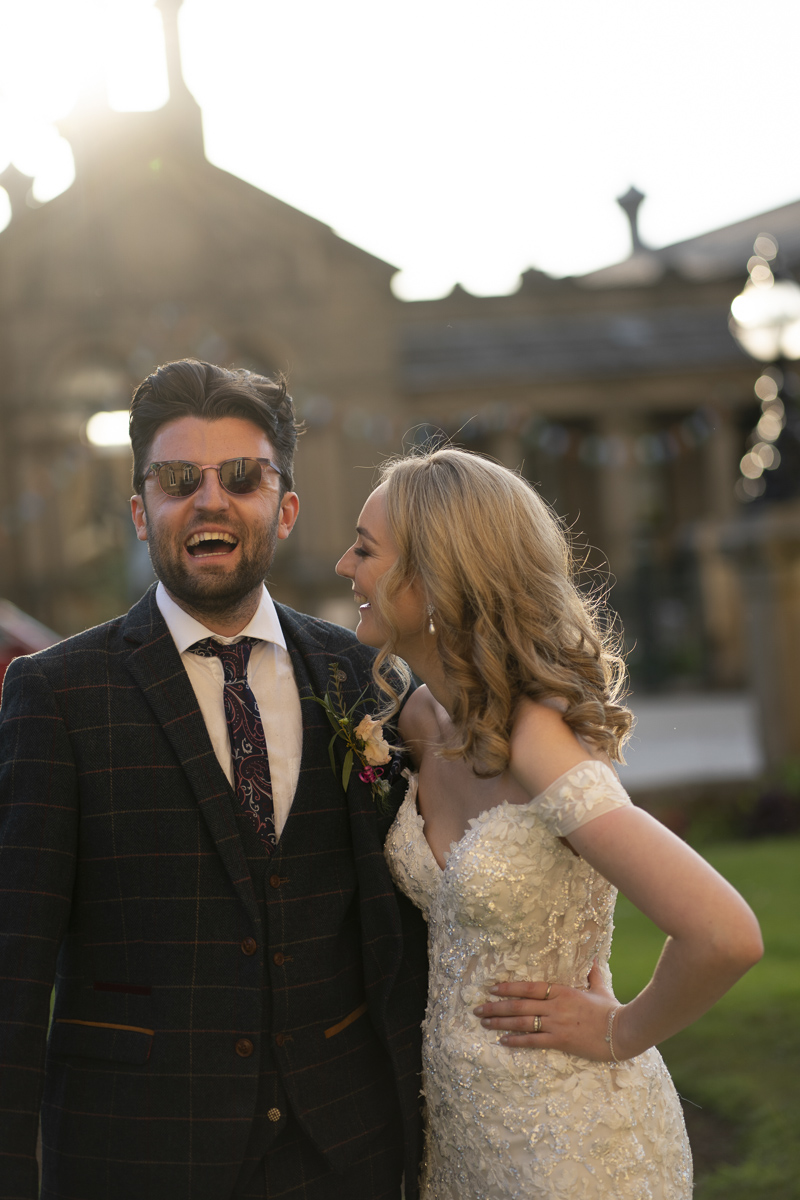
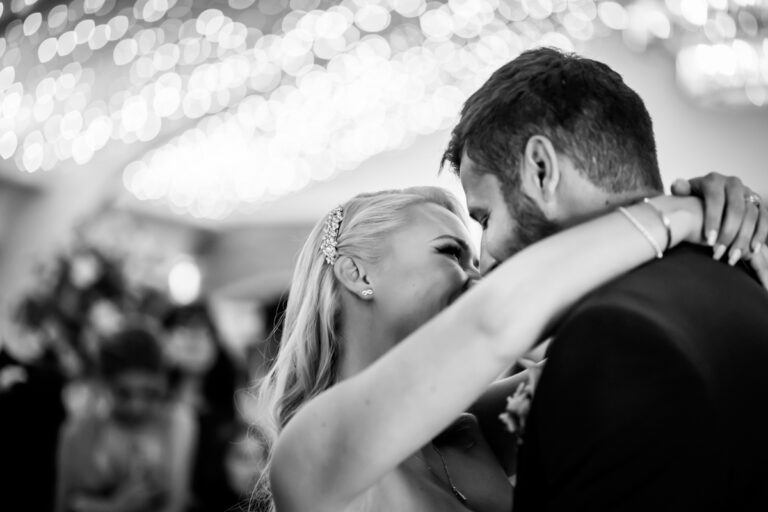
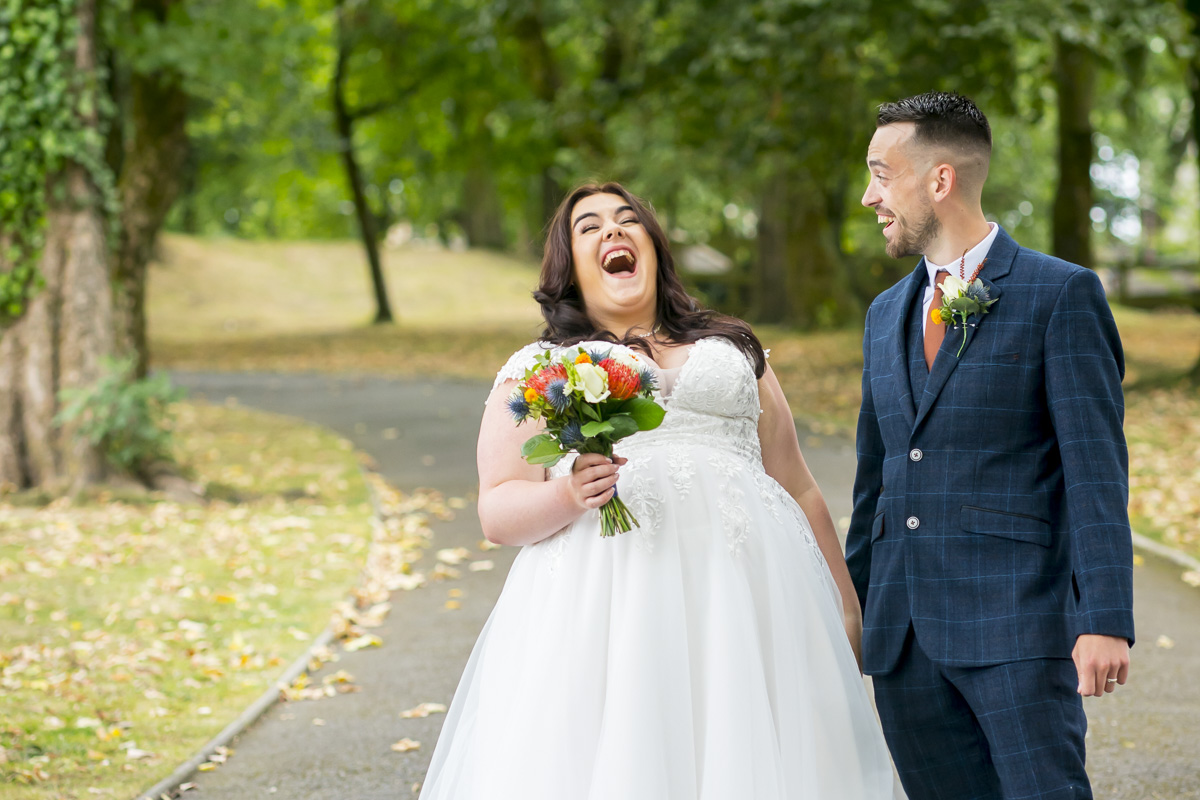
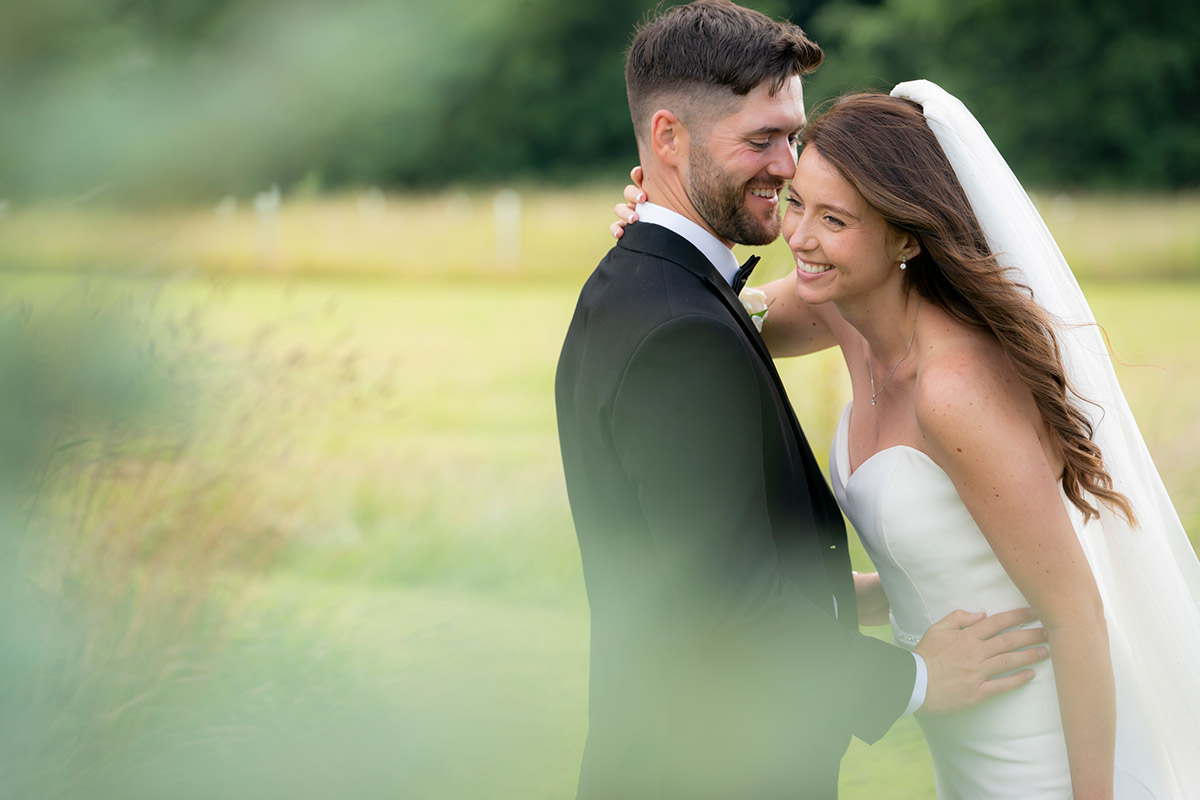
“Non-posey” isn’t a technical term; it’s a friendly way to describe wedding portraits that don’t feel posed. Think of those candid snaps where you’re caught laughing with your partner, or a quiet moment where you exchange a loving glance. Non-posey portraits are essentially candid wedding photos of the two of you, taken in a way that feels effortless and genuine. There’s some direction, no choreographed routines and certainly no forced smiles.
In traditional wedding photography, you might be directed to stand a certain way, tilt your head, or hold a pose for an extended time. With a non-posey, documentary-style approach, we let go of that. Instead, I offer subtle direction when needed, then let you simply be together. The result? Natural wedding portraits that look and feel like you. Whether it’s a shared laugh or a spontaneous hug, these photos capture your connection as it really is.
Why Relaxed Photos Matter on Your Wedding Day
Your wedding day is full of emotion, excitement, and beautiful chaos. The last thing you need is to feel like you’re stepping out of that to do something that doesn’t feel like you. That’s where relaxed wedding photography makes all the difference.
- You Look Like Yourselves
When you’re at ease, your personality and relationship shine through. There’s no wedding smile to force or formal stance to maintain. The energy and emotion of the day come through because you’re fully present in the moment. - More Time With Your People
Because non-posey portraits are short and natural, you won’t be away from your guests for long stretches. You’ll still have time for those mingling moments, hugs, and chats that make the day so special. - Less Pressure, More Fun
Many couples tell me they feel awkward in front of a camera. A relaxed, documentary-style approach helps take that pressure off. You’re not being watched or instructed constantly! You’re just spending time together while I quietly document it. - Real Memories
What you end up with is a set of portraits that reflect how the day actually felt; joyful, intimate, full of laughter and love. These are the moments you’ll want to remember.

How I Capture Natural, Candid Wedding Portraits
So how do you end up with beautiful wedding portraits without the formal setup? Here’s how I approach it on the day:
1. I Blend In
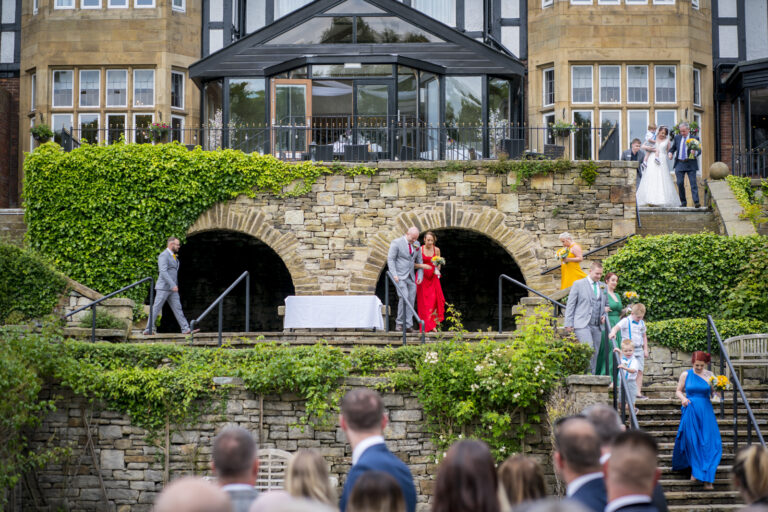
I photograph your day like a friend with a camera. I dress like a guest and move quietly through your spaces. Most of the time you won’t notice me, which is exactly how the best candid photos happen.
2. You Just Take a Moment Together
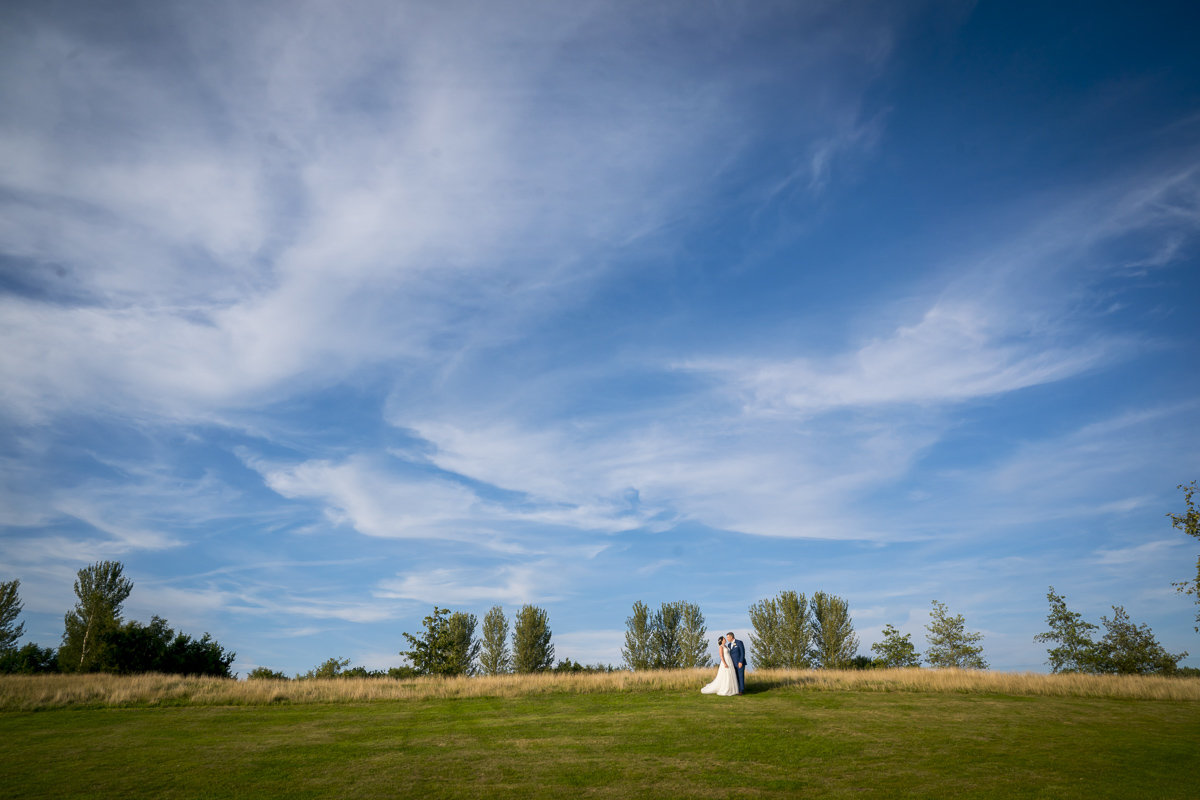
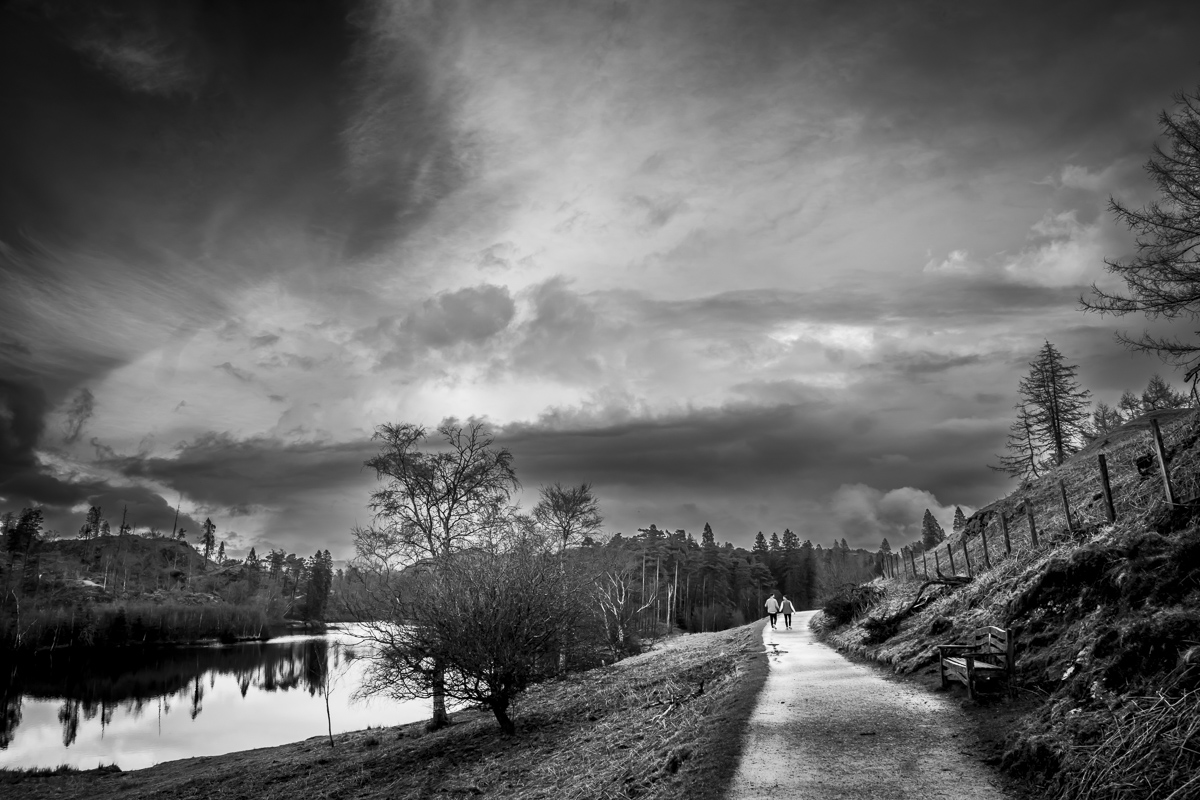
The portrait time usually lasts around 20 minutes. That’s just enough for a breather between the busyness of the day. Whether it’s walking through the grounds, sitting together for a moment, or exploring the landscape, I’ll guide you gently while keeping things natural.
3. I Keep Things Simple
I won’t ask you to hold each other in strange ways or smile on cue. Sometimes I’ll stop you near a great backdrop or ask you to take a breath and just to be ‘to each other’. That’s it. It’s not about staging something — it’s about catching something real.
4. I Leave Room for the Unexpected
Some of the best shots happen between the “moments”. The unscripted in-between glances, the quiet laugh, the shared look. These are the memories that mean the most and I make sure to catch them.
5. If the Light is Magic, We Might Pop Back Out
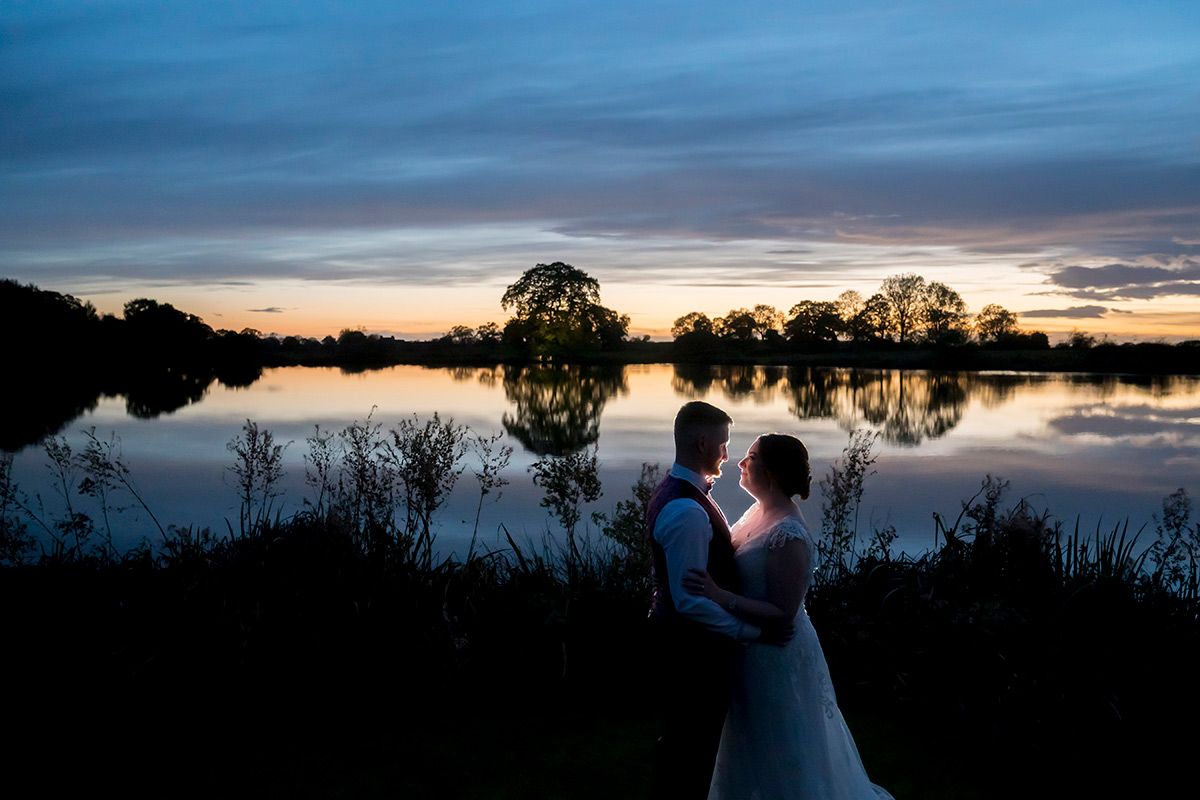
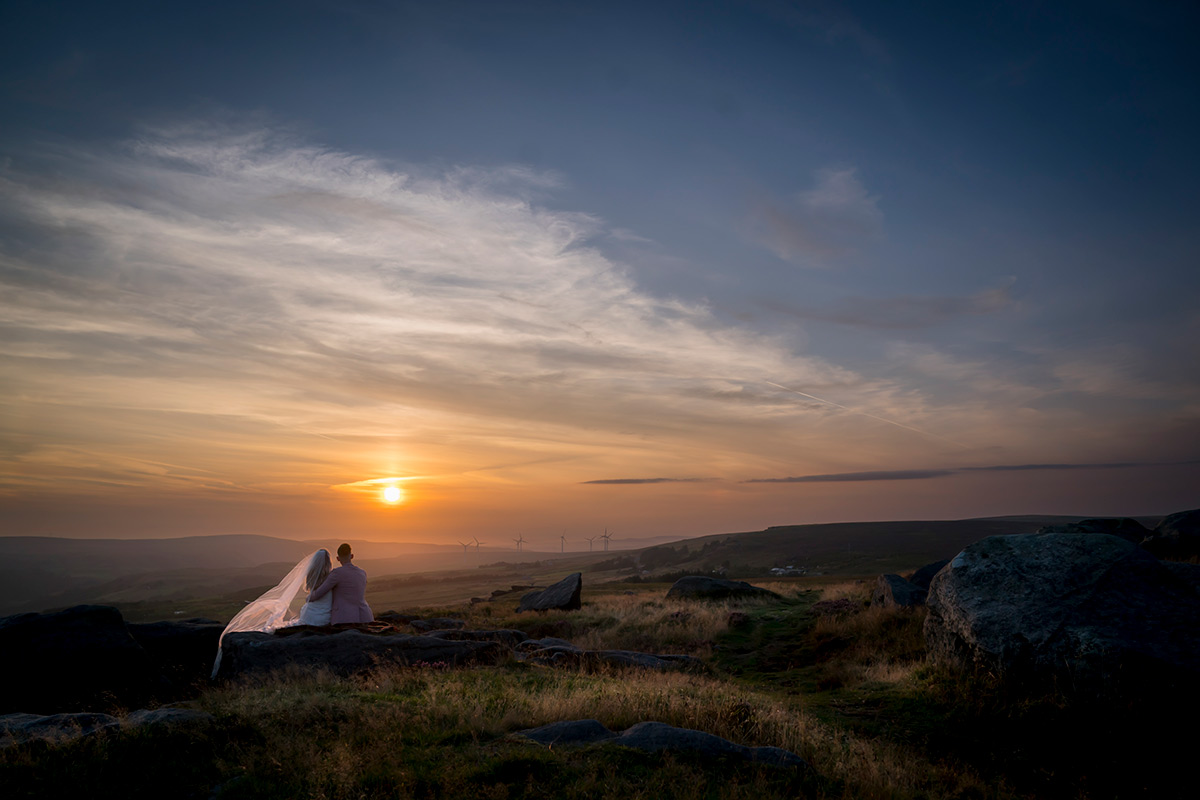
Depending on the time of year, there might be a stunning sunset just waiting to be captured. If you’re up for it, we can head out for another 10 to 15 minutes and take advantage of that golden light.
6. Fancy a Signature Shot?
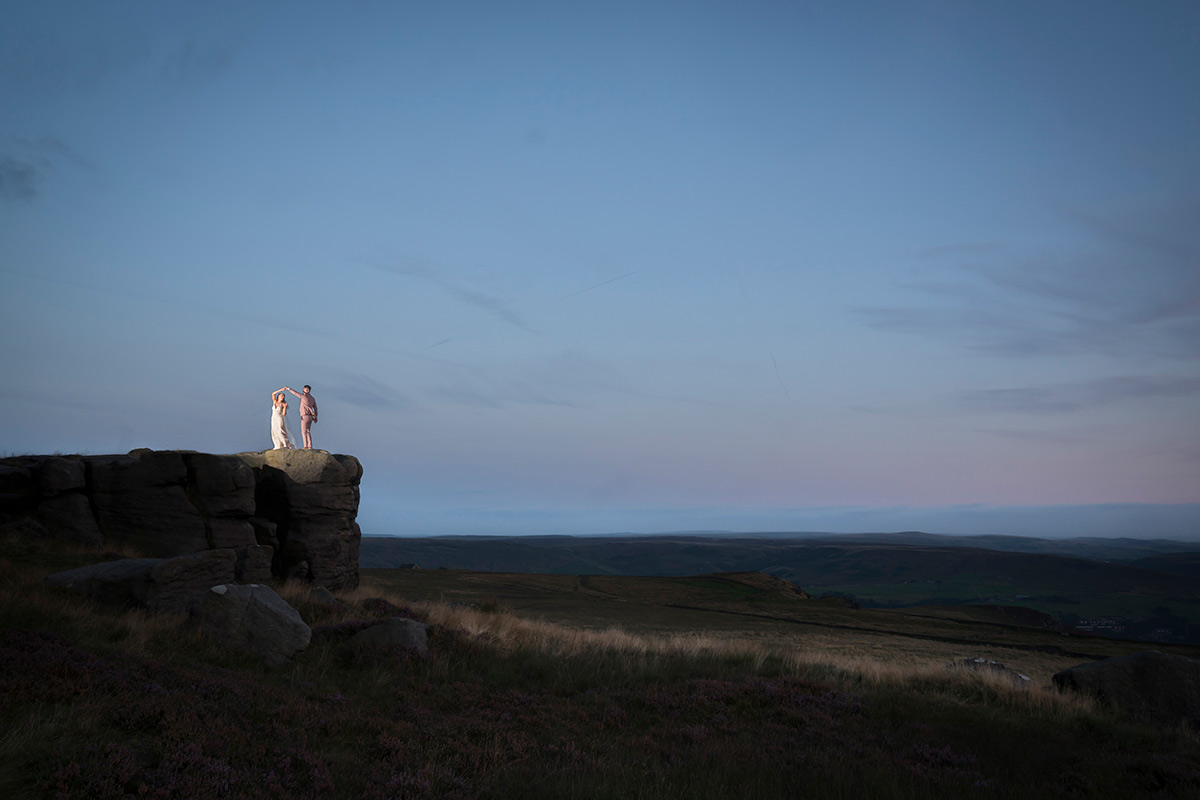
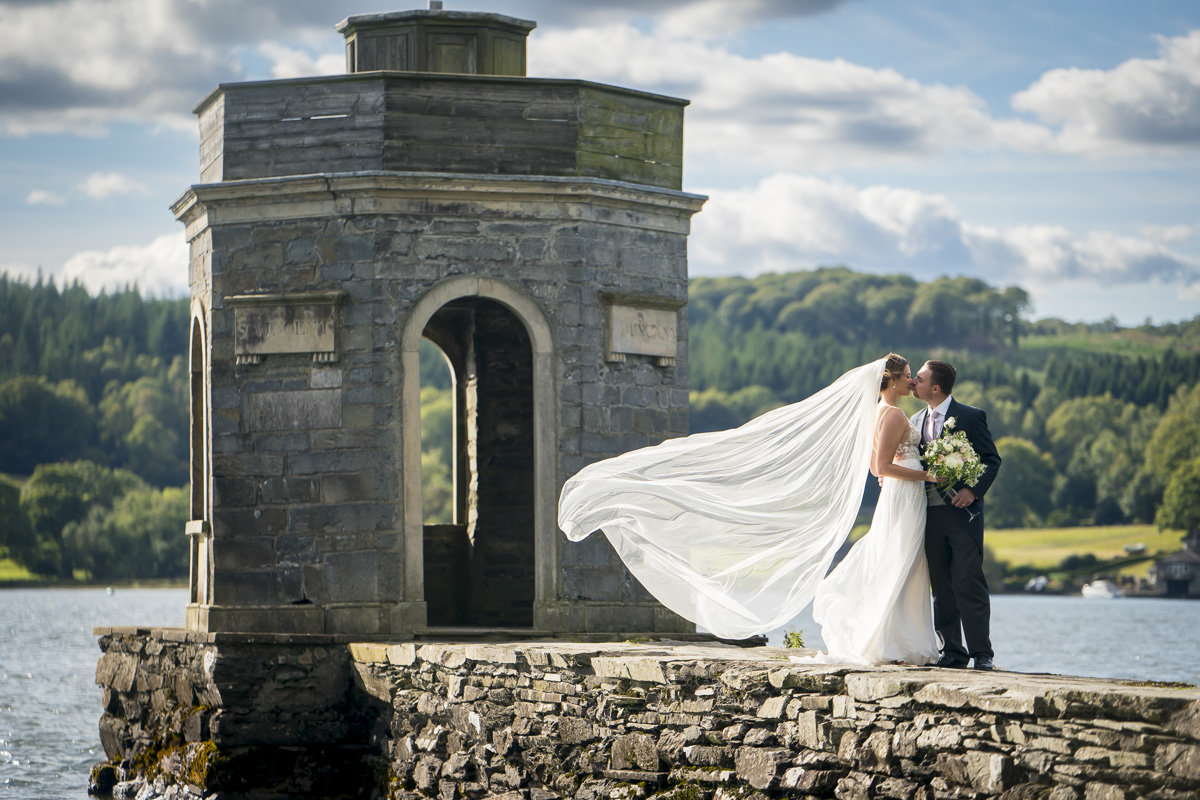
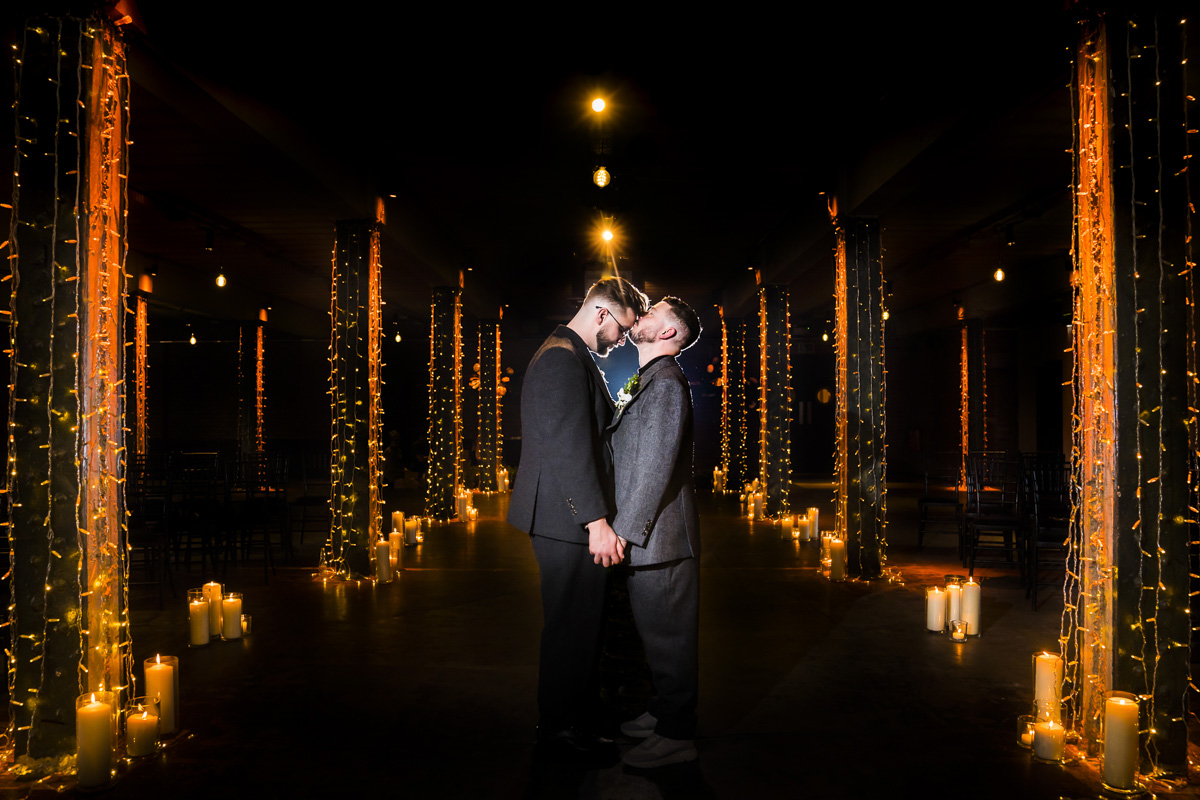
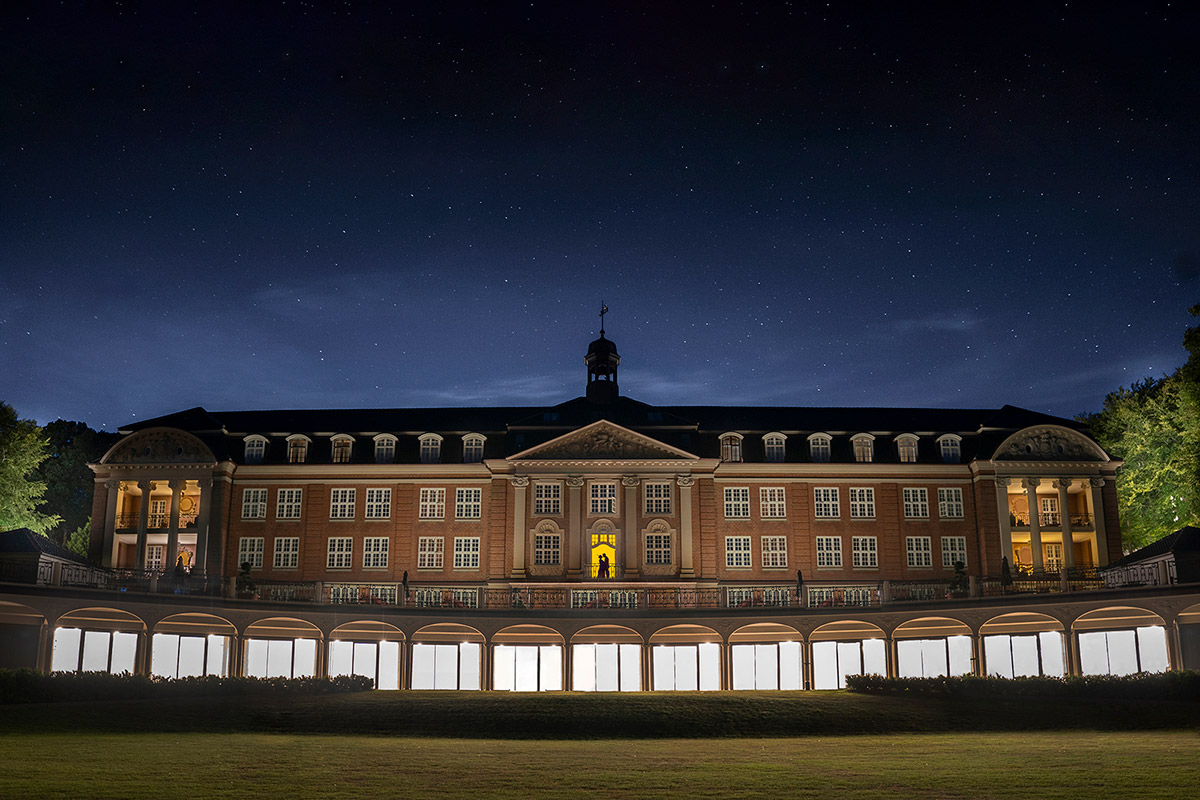
You’ve chosen a fantastic venue and it deserves to be part of your story. If you like, I can create a signature photo and – in five minutes and a few flashes – we have something dramatic and brilliant that signs off the perfect day. This is totally optional, but it can be a fun and creative way to mark the moment.
Tips for Couples Who Want Natural Photos
If this style of photography feels like your vibe, here are a few things you can do to make sure your portraits turn out beautifully:
Be Yourselves
You don’t have to perform for the camera. Just focus on each other and enjoy the moment. If you’re playful, lean into that. If you’re quiet and affectionate, be that. The more real you are, the more your photos will feel like you.
Take the Moment In
This is one of the few parts of the day where you’ll have time alone. Treat it as a pause to breathe and reconnect — I’ll take care of the rest.
Trust the Process
I’ll never ask you to do anything that feels unnatural. If I offer gentle direction, it’s to help you look and feel your best, while still being yourselves.
Forget the Camera
Try not to think about me being there. Be with each other; talk, laugh, or just enjoy the view. The less you think about the photos, the better they’ll be.
The Day is Different
Projecting thoughts of photos beforehand just feels like it will be awkward… grooms often feel like this! But on your wedding day the energy reaches a whole new level, is quite different and it’s so much easier. You’ll go with that magical flow and, trust me, I will make it really easy.
Your Day, Your Way, Captured Authentically
At its heart, non-posey portrait photography is about letting go of expectations. You don’t have to pause your wedding to get portraits you’ll treasure. In fact, you’ll probably find the process surprisingly calming, a pocket of time to enjoy just being together while I quietly work in the background.
If this approach feels right for you, take a look at my portfolio and see what’s possible. It’s full of couples who felt just like you do (camera-shy, unsure at first!) and came away with natural, meaningful portraits that truly tell their story.
You deserve photography that fits around your day, not the other way around. So let’s make it simple. Let’s make it honest. Let’s make it you!